
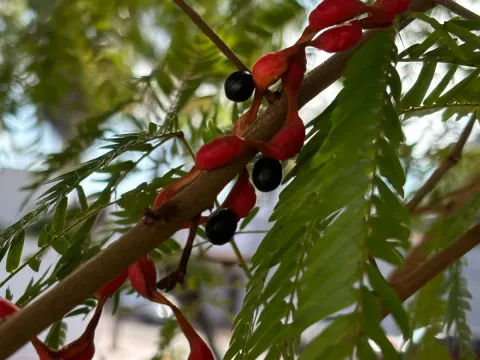
Cojoba
Cojoba
Cojoba is a genus of trees within the Fabaceae family, native to the tropical regions of Central and South America. These trees are well-known in tropical agroforestry systems for their ecological contribution and adaptability to humid climates.
What the section contains

Cojoba
The climate requirements for Cojoba are strictly tropical. They thrive in regions with high average temperatures and consistent rainfall throughout the year. They are intolerant to frost and cold winds, which dictate their restricted geographical cultivation range.
Soil preferences involve well-draining, nutrient-rich substrates. As legumes, Cojoba species have a symbiotic relationship with nitrogen-fixing bacteria, allowing them to improve the soil quality of the areas where they are planted, which is a key advantage for sustainable farming.
Agricultural management requires careful attention to soil moisture. During the initial growth phase, consistent watering is essential for establishing the root system. Once mature, these trees exhibit moderate resilience to environmental stressors.
Sunlight exposure is crucial for the development of a healthy canopy. Proper spacing during plantation is necessary to ensure each tree receives adequate light, promoting uniform growth and reducing competition for nutrients among individuals.
The main threats to Cojoba include fungal diseases affecting the roots, often caused by waterlogging. Poorly drained soils provide an environment that facilitates the spread of rot, which can cause significant damage to the plant's vascular system.
Insect pests such as leaf-eating caterpillars and beetles pose a constant threat to the foliage. Defoliation impacts the plant's ability to produce energy, potentially leading to stunted growth if the infestation remains uncontrolled for prolonged periods.
Wood-boring insects are a specific concern for mature Cojoba trees. These pests burrow into the trunk, creating galleries that compromise the structural integrity of the wood and providing entry points for secondary bacterial or fungal infections.
Effective management strategies involve regular field monitoring and the maintenance of adequate spacing between trees. Keeping the plantation area clean from debris helps in reducing the population of potential pest vectors and pathogens.
Integrated pest management (IPM) practices, including the use of biological controls, are highly recommended for tropical legume crops. Maintaining tree vigor through proper nutrient supply ensures the trees have the natural defenses required to withstand minor infestations.