
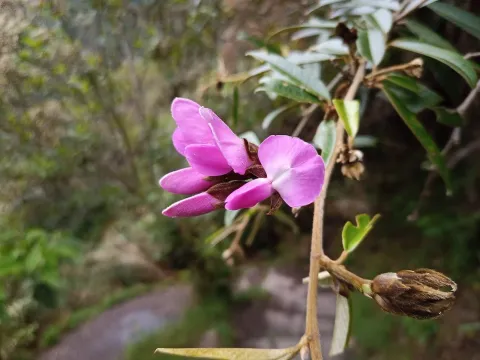
Collaea
Collaea
Sowing Collaea seeds requires prior scarification of the hard seed coat to significantly increase germination rates. The optimal time for planting is the spring season when soil temperatures stabilize between +15°C and +18°C.
What the section contains

Collaea
Seeds are sown at a shallow depth, carefully calibrated according to seed size and emergence energy. In their natural habitat, these plants are adapted to cyclical seasonal patterns, necessitating consistent moisture levels during the initial weeks of establishment.
For establishing solid stands or commercial plantations, a row-cropping method is highly recommended. Row spacing should be maintained between 30 and 45 centimeters to allow the plants sufficient room to develop and compete effectively with weeds during early growth stages.
The initial growth rate of Collaea is relatively slow, as the plant prioritizes the development of a deep taproot system. Consequently, keeping fields free of perennial weeds through regular mechanical weeding is essential for long-term productivity.
In regions with pronounced dry seasons, sowing should be timed immediately before the onset of the rainy season. This strategy minimizes the risk of seedling mortality from dehydration and promotes deep root penetration into the soil profile.
Collaea thrives in well-drained sandy or loamy soils with a neutral to slightly acidic pH level. The plant is noted for its high tolerance to low-fertility soils, typical of many regions in Central and South America.
Adequate sunlight exposure is a critical requirement, as the crop is photophilous and suffers under heavy shade. High levels of solar radiation facilitate faster green mass accumulation and stimulate the activity of nitrogen-fixing bacteria within the root zone.
The crop has moderate water requirements and exhibits significant drought resistance due to its deep root architecture. However, for maximum biomass yields during peak growth periods, consistent moisture supply via rainfall or controlled irrigation is necessary.
The ideal temperature range for vegetative development is between +20°C and +30°C. The species is sensitive to prolonged freezing conditions, which limits its commercial cultivation to regions with mild climates and frost-free winters.
Soil fertility can be managed through moderate applications of phosphorus and potassium-based fertilizers. Nitrogen supplementation is usually unnecessary, as the plant self-regulates its nitrogen requirements through symbiotic relationships with specialized bacteria.
Primary phytopathological risks for Collaea involve fungal diseases that target the foliage during periods of high humidity. Common issues include rust and various leaf spot diseases which impede photosynthetic efficiency.
Insect pests, such as weevils and various lepidopteran larvae, can cause significant damage to flowers and foliage. Regular field scouting and monitoring are essential for the timely application of biological or chemical control measures.
Failing to implement proper crop rotation often leads to the buildup of soil-borne pathogens, increasing the incidence of root rot. It is advised to maintain a crop return interval of at least three to four years for any given field.
Weed encroachment is a major limiting factor for young Collaea plants. Without integrated weed management strategies, the crop’s development speed and final biomass yield can be severely compromised.
Preventative disease management relies heavily on using certified, high-quality seeds and maintaining optimal plant density. Proper field aeration is key to reducing the microclimate conditions that favor fungal outbreaks.