
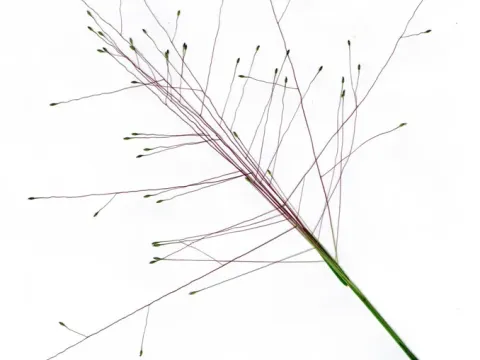
Leptoloma
Leptoloma
Leptoloma is a genus of perennial grasses belonging to the Poaceae family. The most prominent species is Leptoloma cognatum, commonly referred to as Fall witchgrass, which is native to the diverse landscapes of North America.
What the section contains
Leptoloma
This grass is well-adapted to sandy, nutrient-poor, and dry environments. Its biological structure allows it to thrive in conditions where traditional forage crops might fail, making it a valuable candidate for land restoration and soil erosion control programs.
The climatic requirements for Leptoloma are relatively flexible, as it is a drought-tolerant species. It excels in regions with high solar radiation and moderate to low rainfall, demonstrating a remarkable ability to survive extended dry spells during the growing season.
Regarding soil, Leptoloma performs best on well-drained substrates. Its root system is designed for deep penetration, which assists in moisture acquisition and soil stabilization. Heavy, waterlogged clay soils are generally unsuitable for this crop due to the risk of root suffocation.
In agricultural practice, Leptoloma is primarily utilized for rangeland management. It provides cover for livestock in areas where other grasses lack the resilience to withstand grazing pressure combined with challenging abiotic environmental factors.
Leptoloma can be impacted by various fungal pathogens, specifically rust and powdery mildew. These diseases are usually triggered by environmental stress or poor air circulation within the dense patches of the plant growth.
Common insect pests include aphids and grasshoppers that target the succulent vegetative parts of the grass. Effective management involves maintaining a healthy, non-overgrazed canopy and ensuring the crop is grown in its preferred ecological niche to reduce stress-induced susceptibility.