
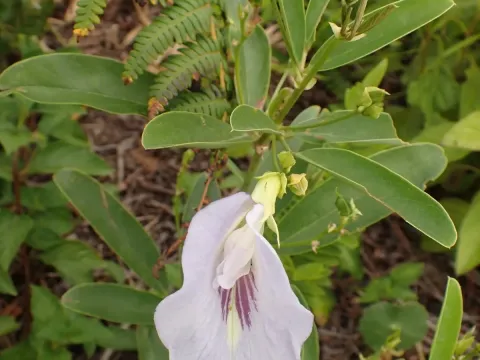
Clitoria laurifolia
Clitoria laurifolia
Clitoria laurifolia is a perennial legume species belonging to the Fabaceae family. It is widely recognized in tropical agriculture for its remarkable ability to thrive in degraded, acidic soils where other crops often fail.
What the section contains
Clitoria laurifolia
Originating from South and Central America, this plant is well-adapted to tropical climates. It is highly valued for its role in pasture improvement and as a high-protein forage source for livestock.
The crop thrives in well-drained soils and exhibits excellent tolerance to low soil fertility. It requires an environment with sufficient moisture but performs poorly in waterlogged or flooded conditions, which can lead to root decay.
Regarding climate requirements, it prefers warm temperatures and is sensitive to frost. Consistent sunlight is essential for optimal growth, although it shows moderate tolerance to partial shade.
From an agronomic perspective, it acts as a soil improver due to its nitrogen-fixing capabilities. By establishing symbiotic relationships with soil bacteria, it naturally increases soil nitrogen content, benefiting subsequent crops.
Clitoria laurifolia is generally hardy; however, it can be susceptible to fungal diseases such as leaf spots and anthracnose during prolonged periods of high humidity and rainfall.
Insect pests, including leaf-eating caterpillars and aphids, may occasionally infest the plants. These pests can reduce the total biomass and nutritional quality of the forage if not controlled.
Management of these threats involves maintaining proper planting densities to ensure adequate air circulation. Avoiding overgrazing is also crucial to keep the stand healthy and resistant to stress.
In cases of severe infestation, targeted biological control agents or soft chemical pesticides are employed, strictly following agricultural safety protocols to protect the ecosystem.
Monitoring the fields for early signs of disease and pest activity is a fundamental practice for successful cultivation, ensuring high yields and long-term sustainability of the pasture.