
Lecythis usitata
Lecythis usitata
Lecythis usitata is a tropical tree that requires careful propagation methods in agricultural settings. The seeds possess a robust, woody outer layer that often requires manual scarification or specific environmental cues to break dormancy.
What the section contains
Lecythis usitata
The sowing process is ideally timed to coincide with the onset of the rainy season, ensuring that the developing root systems receive consistent moisture during the critical establishment phase.
In professional nurseries, seeds are planted in nutrient-rich, well-draining substrates at a shallow depth to promote rapid germination. Maintaining a stable, warm temperature is essential for successful seedling emergence.
Seedlings should be protected from extreme heat and heavy rainfall during their first few months, often requiring greenhouse or shade-house environments before they are hardened off for field planting.
Regular fertilization with organic matter during the initial growth stages provides the necessary nutrients for the development of a healthy root system and vigorous vegetative growth.
Lecythis usitata thrives in humid tropical environments, demanding stable, warm temperatures typically ranging between 24 and 30 degrees Celsius throughout the year.
The species prefers deep, fertile soils that offer excellent drainage. Waterlogging is a significant threat to root health, often leading to the development of fungal pathogens and tree decline.
Although the species is photophilic as an adult, young plants require partial shade to survive in the initial years. Creating an environment that mimics the natural forest understory is recommended for young plantations.
Soil acidity levels should be monitored, as the plant performs best in slightly acidic conditions. Regular application of organic mulch helps maintain soil moisture and provides a slow release of nutrients.
Adequate spacing between trees is crucial to allow for crown expansion and air circulation, which helps reduce the risk of diseases associated with high humidity.
The transition to the reproductive phase in Lecythis usitata is a slow process, with trees typically taking 10 to 15 years to start producing fruit. Productivity is cumulative as the tree matures.
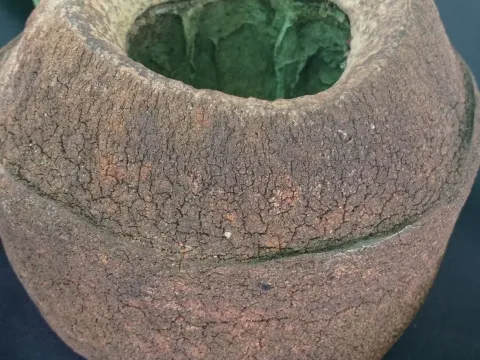
The fruit manifests as a hard, woody capsule that contains several nuts. These capsules are highly resistant, protecting the contents from environmental factors and minor pests until maturation.
Pollination is a critical bottleneck for yield. The tree relies on specific pollinators, such as native bees, and the absence of these insects can lead to poor fruit set regardless of the tree's health.
Harvesting is labor-intensive due to the height of the trees and the nature of the capsules. Yield management includes monitoring tree canopy health and ensuring that pollinators have suitable habitats nearby.
With proper management, the commercial value of the nuts remains high, as they are sought after for their rich oil content and unique culinary profile in niche markets.
Fungal leaf spot and shoot blight are primary threats in humid plantation environments. Pruning practices that improve air circulation within the canopy are essential for disease mitigation.
Wood-boring insects pose a significant risk to the structural integrity of mature trees. Regular inspections for signs of entry holes and localized damage are standard practice for healthy orchard management.
Soil-borne nematodes can inhibit growth by damaging the root system. Utilizing resistant rootstocks and maintaining healthy soil microbial populations are recommended preventative measures.
Pests that target fruit capsules can reduce the quality of the kernels inside. Integrated Pest Management (IPM) strategies, which balance biological control and minimal chemical usage, are effective.
Climatic stressors, such as prolonged droughts, can weaken the tree's natural defense systems, making it more susceptible to opportunistic infections and pest colonization.
Harvesting usually occurs when the woody capsules reach full maturity and naturally fall to the forest floor or the orchard floor. Daily monitoring is required to collect them promptly.
Once collected, the capsules must be cleaned and the outer shell processed to extract the nuts. This stage requires careful handling to prevent mechanical damage to the seeds.
Drying is a mandatory step following extraction. Proper moisture reduction in the nuts prevents fungal growth and ensures long-term stability for storage and transportation.
Storage should be conducted in cool, dry, and well-ventilated areas. Maintaining low humidity is essential to prevent the degradation of the delicate oils contained within the nuts.
Grading of the harvest based on size and physical integrity allows for product differentiation, ensuring that only high-quality batches reach premium culinary markets.