
Subterranean clover
Trifolium subterraneum L.
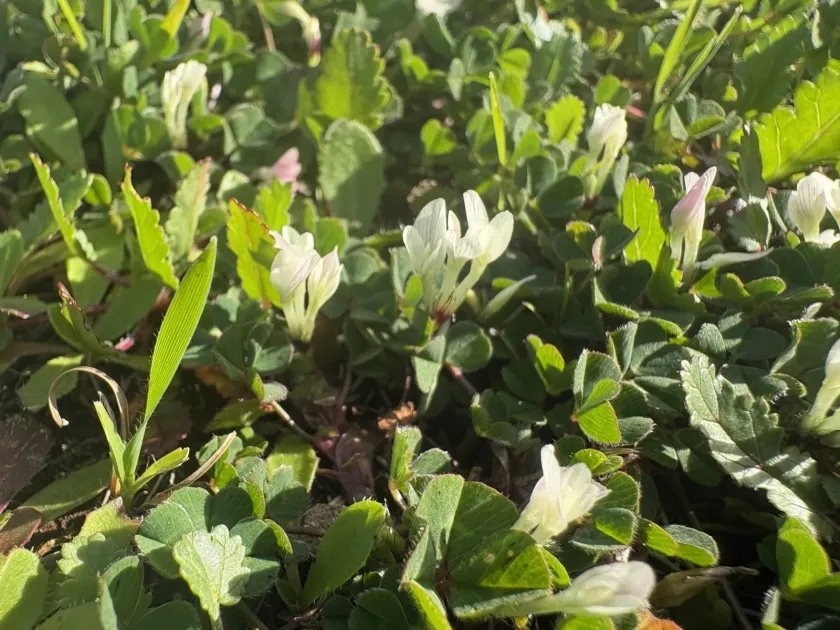
Description
Sowing dates
Subterranean clover, scientifically known as Trifolium subterraneum, is an annual forage legume widely utilized in Mediterranean-type climates. It belongs to the Fabaceae family and is highly valued for its ability to improve soil fertility through nitrogen fixation.
The seeding of this crop typically takes place in the autumn, coinciding with the beginning of the rainy season. Proper soil preparation is essential to ensure that seeds have adequate contact with the ground, promoting early establishment before the onset of winter.
Seeding rates generally vary between 5 to 15 kg per hectare, depending on the desired density and local environmental factors. Shallow sowing at a depth of 1-2 cm is critical, as deeper placement can inhibit germination and early vigor.
The defining characteristic of this plant is its geocarpic behavior: after flowering, the stalks curve downward and force the seed heads into the soil. This unique mechanism protects the seeds from heat, drought, and overgrazing during the summer months.
This natural burial process ensures a persistent seed bank, allowing the pasture to self-regenerate season after season without the need for frequent re-seeding, making it an efficient choice for sustainable livestock production.
Growing requirements
Subterranean clover thrives in well-drained soils, ranging from sandy loams to heavier clay soils. It prefers an acidic to neutral pH range of 5.5 to 7.0 and does not tolerate waterlogged conditions or high levels of salinity.
Phosphorus is the most important nutrient input for this crop. Adequate phosphorus levels are necessary to stimulate root development and maximize the plant's nitrogen-fixing capabilities, which in turn benefits the associated grasses in a pasture mix.
The climate requirement is primarily a Mediterranean-type environment with cool, wet winters and warm, dry summers. The plant is frost-tolerant to some degree but generally avoids areas with severe, prolonged winter freezes that can damage its vegetative growth.
Management through controlled grazing is vital for success. Moderate grazing pressure prevents the crop from being outcompeted by weeds while stimulating vegetative growth and ensuring the development of sufficient subterranean seeds for the next year.
Mixing subterranean clover with annual ryegrass or other grasses is a common practice to create a balanced forage system. This combination provides both high protein content from the legume and high biomass production from the grasses.
Main diseases and pests
Diseases such as root rot and leaf spot are common concerns, especially in areas with high humidity or poor soil drainage. Selecting resistant cultivars is the primary method for managing these issues effectively.
Pests like weevils, aphids, and mites can significantly reduce plant vitality, particularly during the transition between the growth phases. Monitoring insect populations is crucial, as early detection allows for targeted intervention before major damage occurs.
Virus infections transmitted by aphids can stunt growth and significantly reduce overall biomass. Keeping the pasture healthy and weed-free helps mitigate the spread of these viruses, as many weeds act as alternative hosts for vectors.
Crop protection strategies should prioritize integrated pest management (IPM) to maintain the health of the clover without disrupting the pasture's ecological balance. Biological controls and the maintenance of diverse pasture swards can help reduce reliance on synthetic pesticides.
Finally, overgrazing should be avoided, as it can expose the soil surface, leading to compaction and environmental stress. Maintaining an optimal canopy density protects the clover and minimizes the vulnerability of the crop to environmental threats.