
Yammine clover
Trifolium subterraneum L. var. yanninicum (Katzn. & Morley) Zohary
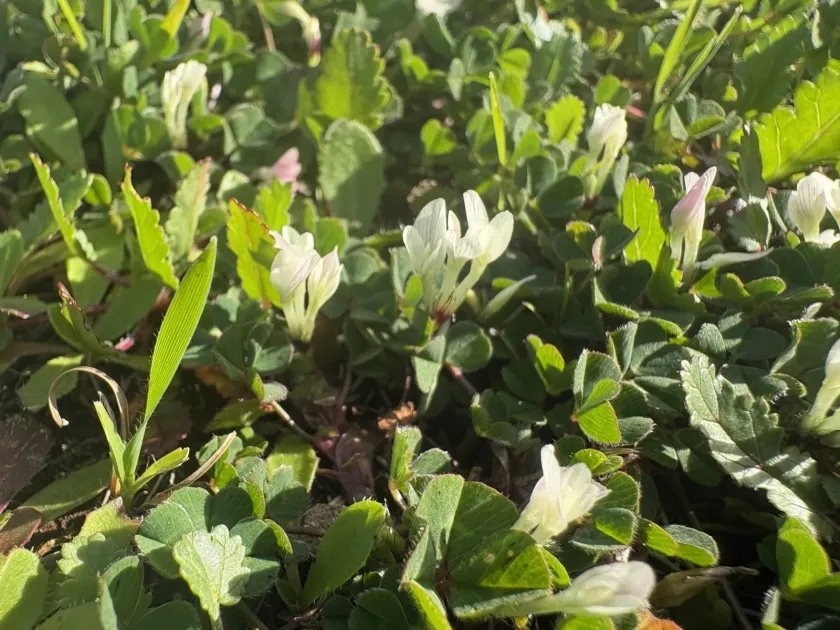
Description
Sowing dates
The sowing of Yammine clover is best executed at the commencement of the wet season. Providing the seeds with sufficient moisture immediately after planting is critical for successful germination and early establishment of the root system.
Precision in seed placement is vital, as the seeds are relatively small. A sowing depth of no more than 1 to 2 centimeters is recommended to ensure that seedlings have enough energy reserves to break through the soil surface without stress.
Inoculation with the correct strain of Rhizobium bacteria is standard practice during sowing. This symbiotic relationship is fundamental for the clover's ability to fix atmospheric nitrogen, significantly reducing the need for chemical nitrogen fertilizers.
The seeding rate depends on whether the clover is being planted as a pure stand or as a component in a mixed pasture. Generally, a rate of 5–8 kg/ha is sufficient to ensure a robust plant population that can sustain grazing pressure.
Seedbed preparation should involve creating a fine, firm tilth. Removing competing weeds through early tillage or chemical control prior to sowing provides the clover with the competitive advantage necessary for early-stage establishment.
Growing requirements
Yammine clover (Trifolium subterraneum var. yanninicum) is a specialized variety of subterranean clover belonging to the Fabaceae family. Its name originates from the Yannina region in Greece, and it is highly valued for its agricultural versatility and unique biological adaptation mechanism known as geocarpy.
This crop is native to the Mediterranean basin but has gained significant prominence in Australia and other temperate regions. It thrives in climates characterized by mild, wet winters and warm springs, which are ideal for its vegetative growth and seed maturation cycle.
A distinctive feature of var. yanninicum is its high tolerance to waterlogging. Unlike other subspecies of subterranean clover, this variety can flourish in poorly drained soils and lowland areas, making it a preferred choice for sites that experience seasonal flooding.
The plant requires soils with a balanced pH, preferably slightly acidic to neutral. It is highly responsive to the presence of phosphorus, which is essential for healthy root development and the successful burial of seed pods, a process crucial for the plant's long-term survival.
In terms of usage, Yammine clover is primarily utilized as a high-quality forage crop for grazing livestock. Its nutritional profile, coupled with its nitrogen-fixing capabilities, makes it an excellent component for rejuvenating exhausted soils and improving pasture productivity.
Main diseases and pests
Yammine clover is susceptible to various pathogens, most notably root rot fungi, which can be exacerbated by overly wet conditions. Implementing good drainage and avoiding excessive stocking density during peak growth phases helps mitigate this risk.
Insect pests, including red-legged earth mites and various aphid species, can cause significant damage to foliage. These pests are particularly problematic during the early establishment phase, as they can consume tender seedlings and stunt plant growth.
Viral diseases represent a secondary threat, often transmitted by insect vectors like aphids. These infections can lead to stunted growth and reduced seed yield, necessitating careful monitoring of the insect population throughout the growing season.
Management practices, such as controlled grazing and mowing, play a critical role in pest suppression. By maintaining an open canopy, farmers can improve airflow and light penetration, making the environment less favorable for fungal development.
Regular field scouting is highly recommended for early detection of potential threats. When detected, management options should prioritize integrated pest management (IPM) strategies to maintain the ecological balance of the pasture and ensure sustainable long-term production.