
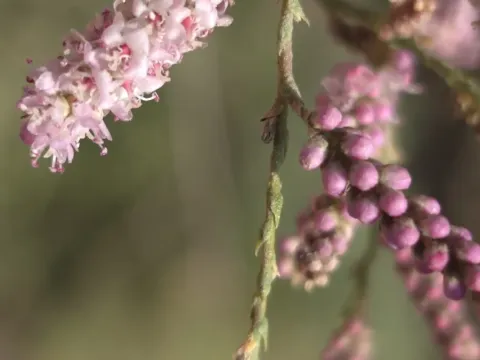
Tamarix usneoides
Tamarix usneoides
Tamarix usneoides belongs to the Tamaricaceae family and is recognized as a hardy, drought-tolerant shrub suitable for arid environments. It is characterized by its slender branches and small, scale-like leaves that are highly efficient in water conservation.
What the section contains
Tamarix usneoides
This species is highly valued in agriculture and land reclamation for its exceptional salt tolerance. It can thrive in saline soils where most other plants fail, making it a critical choice for rehabilitating desertified or degraded agricultural lands.
The plant requires full sun exposure to maintain its vigor and optimal growth rate. It is biologically adapted to withstand extreme heat and dry winds, making it an excellent candidate for windbreaks in semi-arid and arid climatic zones.
Regarding soil preferences, it performs best in well-drained sandy or loamy soils. Its extensive root system allows it to reach deep aquifers, effectively managing moisture even in harsh conditions with limited rainfall.
Good agricultural practice for this species includes minimal pruning to maintain a structured habit. Because the plant is naturally adapted to its environment, it requires very little supplemental fertilization, making it a low-input sustainable crop.
Tamarix usneoides is naturally resistant to many pests due to the saline content in its foliage, which acts as a natural deterrent. This biological defense mechanism significantly reduces the need for chemical pest control.
In rare instances, aphids may colonize the soft terminal growth during the peak of the growing season. If infestations become severe, horticultural soap or biological controls can be applied to manage the population effectively.
Root rot is the most common concern, usually caused by stagnant water or excessively heavy soils. To prevent this, planters should ensure adequate drainage is established before planting, especially in regions with heavy seasonal rains.
Fungal diseases are rarely a problem provided there is sufficient air circulation around the canopy. If signs of fungus appear, improving spacing between plants and removing infected branches is typically sufficient to mitigate the spread.
Monitoring the plant for signs of stress, such as yellowing leaves or wilting, is recommended. These symptoms usually indicate problems with soil waterlogging or severe nutrient deficiencies rather than pest attacks.