
Teline
Teline
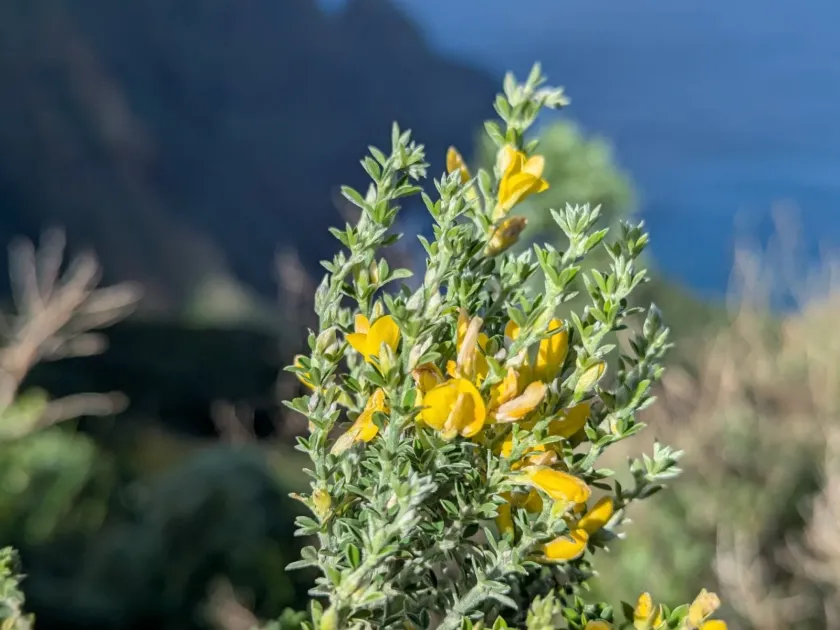
Description
Growing requirements
Teline is a genus of perennial shrubs belonging to the Fabaceae family. Known for their resilience, these plants are often utilized in environmental restoration and landscape gardening due to their nitrogen-fixing capabilities and modest soil requirements.
Originating from the Mediterranean region and the Canary Islands, the plant thrives in habitats that are typically dry and rocky. This evolutionary history makes it highly efficient at utilizing water resources in arid conditions.
The plant features pinnate or trifoliate leaves and produces abundant racemes of bright yellow flowers. Its structure allows it to function effectively as a windbreak or a decorative border in suitable climates.
Cultivation requires well-draining soil, ideally of a sandy or loam texture. Teline is intolerant of waterlogged roots, which means site selection must prioritize elevation or slope to ensure efficient drainage.
Environmental conditions should mimic its native Mediterranean habitat: high sunlight exposure and protection from harsh, prolonged frosts. In colder regions, it is frequently grown in containers to facilitate winter storage.
Main diseases and pests
Teline is susceptible to common legume pests, particularly aphids, which feed on the tender sap of growing tips, and spider mites that thrive in hot, dry conditions.
Root-related pathogens are the primary concern for this crop. Excessive watering or poor drainage quickly leads to root rot, causing the plant to wilt and decline rapidly during the growing season.
Fungal issues such as powdery mildew can affect the foliage during periods of stagnant, humid air. Regular pruning is essential to promote airflow and minimize the buildup of fungal spores within the dense canopy.
Integrated pest management (IPM) is the recommended approach. This involves monitoring the plants regularly and using horticultural oils or soaps to control early stages of infestations before they become severe.
Maintaining proper plant health through optimal nutrition and avoiding nitrogen-heavy fertilizers helps the plant resist secondary attacks from insects and promotes natural defense mechanisms.