
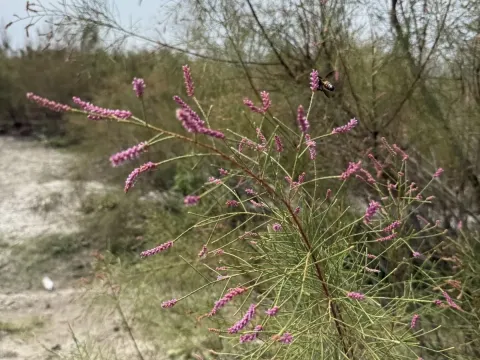
Tamarix dioica
Tamarix dioica
Tamarix dioica is a prominent member of the Tamaricaceae family, known for its extreme resilience in arid and saline environments. Originating from regions spanning from India to Iran, it is a hardy shrub highly valued for its adaptability.
What the section contains
Tamarix dioica
The plant thrives in full sun exposure. It is a light-demanding species that struggles to develop properly in shaded conditions, making the selection of an open site a fundamental requirement for successful cultivation and vigorous growth.
Regarding soil conditions, this species is exceptionally versatile. It is widely recognized for its ability to grow on saline, alkaline, and sandy soils, making it an excellent candidate for landscape reclamation and stabilization of eroded lands.
Climate requirements include warm summers and relatively mild winters. While the plant is inherently drought-tolerant once established, it responds positively to supplemental irrigation during the initial establishment phase to develop a deep and resilient root system.
Agronomic management involves regular pruning to maintain the desired form and density of the canopy. Proper structural pruning not only improves the aesthetic appearance of the shrub but also ensures the longevity of the plant in harsh environmental conditions.
The primary threats to Tamarix dioica are soil-borne pathogens associated with poor drainage. Excessive water retention in the root zone can trigger fungal infections that compromise the plant's vascular system and lead to premature dieback.
Insects such as mites and certain types of scale can occasionally affect the shrub, particularly in arid climates where the plant might be stressed. Monitoring for these pests is essential, especially during the peak of the growing season.
Preventative measures include maintaining adequate spacing between individual plants to allow for proper air circulation. This simple practice significantly reduces the risk of fungal proliferation and keeps the plant foliage healthy and disease-free.
In case of pest infestation, integrated pest management (IPM) strategies are recommended. The use of biological controls or targeted, low-toxicity insecticides is preferred over broad-spectrum chemicals to preserve the surrounding environment.
Proper sanitation, including the prompt removal of dead or infected branches, helps prevent the spread of diseases. Ensuring tools are sterilized between pruning sessions prevents the accidental transmission of pathogens throughout the planting area.