
Salt cedar
Tamarix salina
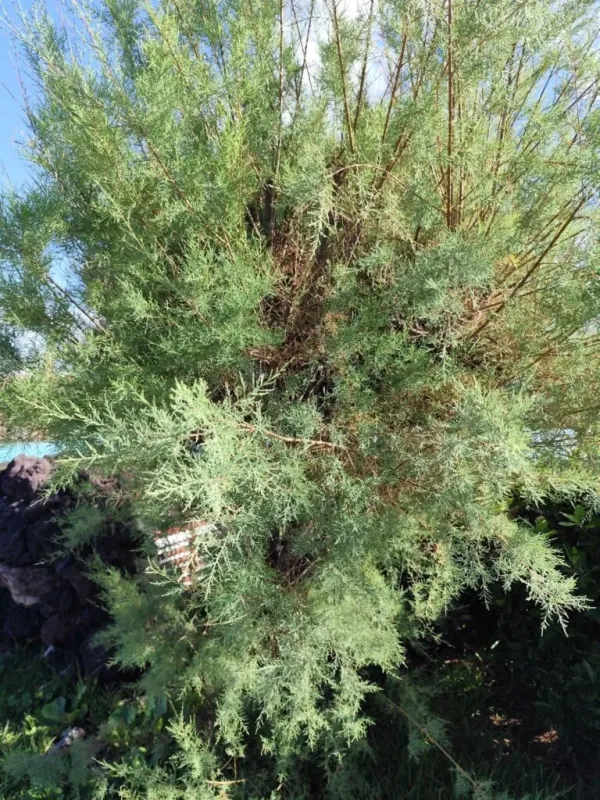
Description
Sowing dates
Propagation of Tamarix salina is primarily achieved through cuttings, as this method ensures the genetic uniformity of the plants. Hardwood cuttings are typically prepared and planted in early spring before the onset of the active growth period.
Seed-based propagation requires immediate sowing after seed maturation because the seeds exhibit short-lived viability. A sandy, well-draining substrate is critical for successful germination to prevent seed rot during the initial stages of development.
Environmental conditions during the first weeks after planting must provide consistent moisture. Maintaining a stable microclimate helps young plants establish their root systems without the stress of excessive evaporation from the foliage.
In arid environments, planting is best scheduled just before the rainy season to allow the plants to take advantage of natural precipitation. This reduces the need for extensive irrigation infrastructure in large-scale reclamation projects.
Space between individual plants should be maintained at a minimum of two meters. This layout allows for adequate root expansion and minimizes competition for soil nutrients, ensuring the long-term vigor of the planting site.
Growing requirements
Tamarix salina is a specialized halophyte, highly adapted to saline soil conditions. It serves as a vital component in land restoration, as it can thrive in environments where the osmotic pressure from salt makes survival impossible for most other woody species.
The species is strictly heliophilic, meaning it requires full sun exposure throughout the entire day. Any significant competition for light from taller trees or nearby infrastructure will result in stunted growth and a weak, sparse canopy structure.
Soil requirements focus on high permeability and aeration. While it can handle occasional flood events, long-term waterlogging is detrimental to its root respiration and can lead to crown rot, limiting its use in poorly drained marshy areas.
The plant exhibits excellent tolerance to extreme temperature fluctuations. It is well-suited for continental climates, demonstrating resilience against both scorching summer heat and significant cold during the winter dormancy period.
Ongoing maintenance involves keeping the soil around the base of the plant free from aggressive weeds. A clean root zone during the first three years of growth significantly enhances the survival rate and increases the annual vertical growth increment.
Yield
The yield of this culture is measured in biomass production, which is essential for windbreaks and soil stability. Under optimal conditions, the plant can generate a substantial amount of woody material annually, acting as a natural barrier against erosion.
As a honey plant, it provides a late-summer nectar flow that is highly valuable for supporting pollinator populations. The quality of the honey produced from Tamarix is distinct and often sought after in arid-region beekeeping.
Wood density is quite high, making it useful for small-scale artisanal crafts or as a sustainable fuel source in regions with limited timber resources. However, it is rarely harvested for large-scale industrial lumber production.
Decorative yield depends on the flowering density, which can be significantly improved through structured pruning. Regular removal of older, woody branches encourages new growth, which in turn leads to a more profuse blooming display.
Biomass accumulation is largely dependent on the availability of deep soil moisture. Once the taproot reaches the groundwater table, the plant exhibits consistent yearly growth regardless of surface-level drought conditions.
Main diseases and pests
Tamarix salina is generally resistant to most common plant pathogens. However, fungal diseases can occasionally occur under conditions of high humidity and poor air circulation, which necessitates careful canopy management.
Insect pests, particularly scale insects, may target the younger stems and foliage. While typically not fatal to established plants, high infestation rates can reduce the photosynthetic efficiency and overall growth rate of the shrub.
Leaf-eating insects occasionally appear, but they rarely threaten the survival of mature plants. The natural predator-prey balance in an established ecosystem is usually sufficient to keep such populations within manageable limits.
Protection of the bark from mechanical damage is a critical preventative measure. Wounds on the trunk can allow pathogens to enter the woody tissue, which may compromise the structural integrity of the plant over time.
Routine monitoring of the plantation is recommended to detect potential hotspots of infestation. Early intervention, if necessary, is limited to targeted applications of biological or systemic control agents to maintain overall plantation health.