
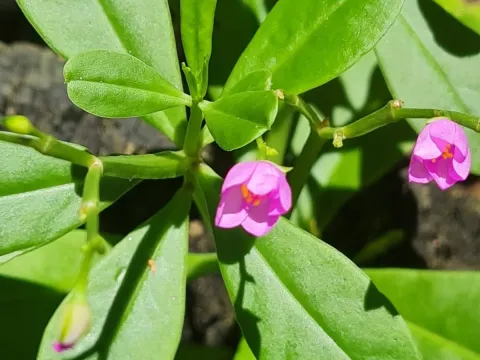
Talinum triangulare
Talinum triangulare
Talinum triangulare is a tropical perennial plant that thrives in warm climates and requires consistent temperatures for optimal development. In tropical regions, it can be sown year-round, while in temperate zones, sowing must be delayed until the risk of frost has completely passed.
What the section contains
Talinum triangulare
Propagation is typically carried out using seeds or stem cuttings, with cuttings often providing a faster path to harvest. Seeds should be sown in a well-drained, fertile growing medium and kept consistently moist but not waterlogged until germination occurs.
The recommended planting distance is 20 by 20 centimeters to allow for adequate foliage development and airflow. Proper spacing is critical to preventing overcrowding, which can otherwise lead to stunted growth and an increased risk of fungal infections within the plant canopy.
For greenhouse production, transplanting seedlings once they reach a height of 5-7 centimeters ensures a stronger root system. This method also allows for better selection of vigorous plants, leading to a more uniform and productive harvest across the entire growing area.
It is important to maintain high humidity during the early stages of seedling growth. As the plants mature, they develop a succulent nature, becoming more resilient; however, consistent watering remains essential for maintaining the desired succulence of the leaves.
Belonging to the Talinaceae family, this species is native to tropical America and has become a staple green in many tropical regions worldwide. It is a hardy plant that adapts well to various soil types, provided they are rich in organic matter and have good drainage.
The plant prefers full sun to light shade. While it can withstand bright light, partial shade is often preferred in hotter climates to prevent leaf scorching and to ensure the leaves remain tender and palatable for consumption.
Soil pH should ideally be neutral to slightly acidic. The plant is not particularly demanding regarding soil fertility but shows a significant response to nitrogen-rich fertilizers, which boost the rapid production of large, fleshy, and nutrient-dense leaves.
Water requirements are relatively high during the active growth period. Although it is a succulent, the plant requires ample moisture to produce its characteristic thick foliage. Drought stress can lead to premature flowering, which is undesirable for commercial green production.
Temperature management is key to success. The plant is extremely sensitive to cold and stops growing at temperatures below 10 degrees Celsius. Maintaining a tropical ambient temperature, ideally between 22 and 30 degrees Celsius, will result in the best performance.
Talinum triangulare is highly valued for its exceptional yielding potential and continuous harvest cycle. With proper management, plants can produce multiple cuttings of fresh greens, providing a steady supply for weeks or even months at a time.
A well-maintained crop can yield several kilograms of fresh leaves per square meter throughout the season. This high productivity makes it an attractive choice for both small-scale home gardening and commercial hydroponic or soil-based vegetable operations.
The economic value of this crop lies in its nutritional density. Rich in vitamins A, C, and essential minerals like iron and calcium, the leaves are highly sought after as a nutritious alternative to traditional spinach, especially in tropical markets.
To maximize yield, growers often practice frequent pruning or pinching of the flower buds. Diverting the plant's energy from seed production back into vegetative growth is a standard technique for sustaining high production volumes over an extended period.
Light intensity plays a significant role in the overall output. In controlled environment agriculture, supplemental lighting can be used to stimulate leaf growth during less optimal seasons, ensuring that market demand is met regardless of the time of year.
The primary threats to this crop include gastropods such as slugs and snails, which are attracted to the succulent nature of the leaves. Implementing physical barriers or organic pest control methods during damp conditions is essential to protect the young foliage.
Fungal diseases, including powdery mildew and root rot, can pose significant challenges, especially in environments with poor air circulation or over-watering. Maintaining optimal spacing and ensuring proper soil drainage are the most effective preventive measures.
Aphids can occasionally infest the underside of the leaves, particularly in hot and dry conditions. Regular monitoring allows for early intervention, and the use of insecticidal soaps or biological controls can effectively manage these pests without damaging the leaves.
Root-knot nematodes may present a challenge in areas with infested soil. Rotating the crop with non-susceptible species and ensuring high-quality, sanitized soil media for starting seedlings are standard practices for mitigating nematode-related damage.
Good agricultural hygiene is crucial. Regularly clearing plant debris from the site, cleaning farming equipment, and monitoring for early signs of stress will help maintain a healthy plant population and reduce the need for intensive chemical pesticide applications.
The harvest phase typically begins 40 to 50 days after initial sowing, once the plants exhibit strong and healthy growth. Harvesting is best performed during the cooler morning hours when the leaves have maximum water content and remain crisp.
Leaf harvesting should be done by hand or with sharp shears to ensure clean cuts. This practice minimizes tissue damage and encourages faster regrowth from the nodes, which is essential for sustaining the harvest cycle throughout the season.
Once harvested, the greens are highly perishable. It is recommended to pack them in well-ventilated containers and store them at low temperatures to slow down respiration and prevent wilting, which preserves the quality for the consumer.
For longer-term preservation, blanching followed by freezing is an excellent method. Frozen leaves maintain most of their nutritional value and texture, making them convenient for use in soups, stews, and other culinary applications long after the growing season ends.
Logistical efficiency is important during the post-harvest phase. By ensuring gentle handling and rapid transport from the field to the storage or market facility, growers can significantly reduce post-harvest losses and ensure a premium product reach the end buyer.