
Teclea
Teclea
Teclea is a genus of evergreen trees and shrubs belonging to the Rutaceae family. These plants are native to the tropical and subtropical regions of Africa, where they typically inhabit lowland forests and bushland environments.
What the section contains
Teclea
For optimal growth, Teclea requires well-drained soil with a slightly acidic to neutral pH. The plants are known for their resilience and ability to thrive in diverse environmental conditions, provided they receive adequate light exposure for photosynthesis.
The climate requirements for Teclea include consistent temperatures, typically ranging from 20°C to 30°C. While the plants show a degree of drought tolerance once established, they reach their peak development in areas with moderate and regular rainfall patterns.
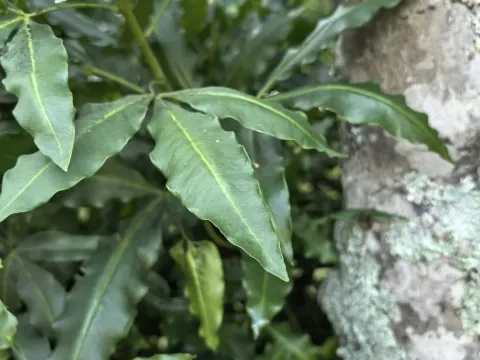
Botanically, Teclea is characterized by its leathery, often aromatic leaves and small, cluster-like inflorescences. The wood of many species is highly regarded for its density and durability, making it an excellent material for tool handles and construction purposes.
The cultural significance of Teclea extends to its pharmaceutical potential. Various parts of the tree, including the bark and roots, contain chemical compounds studied for their anti-inflammatory and antimicrobial properties in traditional medical practices.
Fungal diseases are a primary concern when Teclea is grown in poorly drained soils or conditions of excessive humidity. Improving soil drainage and ensuring adequate spacing are critical management practices to mitigate these risks.
Pests such as aphids and leaf-eating larvae may infest the foliage, particularly during the active growth season. Integrated pest management strategies, focusing on biological controls, are recommended to maintain the health of the trees.
Weed infestation presents a significant threat to young saplings, as it competes for essential soil nutrients and water. Regular manual weeding or the application of organic mulch around the base of the plant is necessary for successful establishment.
Poor aeration of the canopy can lead to the development of various foliage pathogens. Thinning out dense branches helps to improve air circulation and sunlight penetration, which keeps the tree canopy dry and reduces infection rates.
Monitoring for signs of trunk-boring insects is essential to ensure the longevity of the trees. Early identification and removal of affected branches can prevent the spread of infestations to the main stem of the plant.