
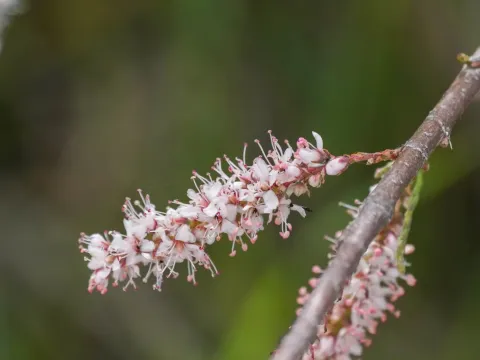
Dalmatian tamarix
Tamarix dalmatica
Dalmatian tamarix is a graceful shrub or small tree belonging to the Tamaricaceae family, widely recognized for its ability to thrive in harsh coastal environments. Its unique biology allows it to adapt to Mediterranean climates where high salinity and low water availability often limit other plant species.
What the section contains
Dalmatian tamarix
The plant requires full sun exposure to flourish and maintain its delicate, feathery appearance. Adequate light is essential for the development of the characteristic pink or white flower spikes that appear along the stems during the growing season.
Soil requirements are minimal, as this species prefers well-drained, sandy, or even rocky substrates. It is highly valued for its salt tolerance, making it an excellent choice for stabilizing dunes or improving the aesthetics of salty coastal soils.
Drought resistance is one of the primary strengths of this culture, provided by its deep root system that penetrates deep into the soil profile. Once established, it requires little to no supplemental irrigation, as it is perfectly adapted to store and utilize scarce moisture.
Maintenance is straightforward and primarily involves pruning, which is necessary to prevent the plant from becoming woody and losing its aesthetic appeal. Regular pruning after flowering encourages dense growth and enhances the overall health of the shrub.
Dalmatian tamarix generally demonstrates high resistance to common pests and diseases, which is why it is widely used in low-maintenance landscape designs.
In humid or stagnant conditions, fungal infections such as leaf spot or verticillium wilt may occur, particularly if soil drainage is compromised.
Pests like aphids and spider mites can occasionally settle on the foliage, especially during extreme heat waves when the plant's stress levels are elevated.
Management of these threats involves ensuring proper air circulation within the shrub canopy and avoiding overhead watering techniques that could favor fungal growth.
Monitoring the plant for signs of infestation in the spring and early summer is sufficient to prevent major damage, and targeted treatments can be applied if necessary.