
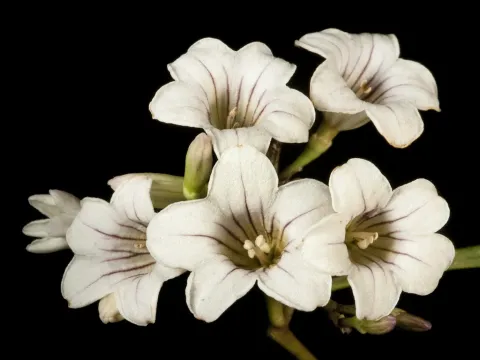
Duboisia
Duboisia
Duboisia is a genus of perennial shrubs and small trees belonging to the Solanaceae family. Originating from Australia, it has gained significant importance in global agriculture as a primary source for the extraction of tropane alkaloids, specifically hyoscyamine and scopolamine.
What the section contains


Duboisia
The plant thrives in warm, humid climates and is extremely sensitive to frost. For commercial success, it requires frost-free regions with consistent temperatures and sufficient sunlight. It is typically grown in plantations where environmental conditions can be precisely managed.
Soil requirements are strict, emphasizing the need for well-draining, fertile soil with a slightly acidic to neutral pH. Poorly drained soil, especially those prone to waterlogging, will lead to root rot and significant crop failure. Proper site selection is the first step toward a healthy yield.
Agronomic management includes rigorous irrigation schedules, often utilizing drip systems to ensure consistent moisture levels without wetting the foliage. Fertilizer application must be carefully balanced; nitrogen is essential for leaf development, as the leaves contain the highest concentration of alkaloids.
The economic value of Duboisia is immense in the pharmaceutical industry. The chemical compounds extracted from its leaves are vital for human medicine, used extensively in pre-operative medications, motion sickness patches, and treatments for various gastrointestinal conditions.
Like many members of the nightshade family, Duboisia is susceptible to a variety of fungal diseases, particularly those affecting the roots and vascular system. Maintaining optimal soil structure and avoiding stagnant water are the best defenses against these pathogens.
Pest management focuses on controlling sucking insects, such as aphids and leafhoppers, which can transmit viral diseases that significantly reduce leaf yield. Integrated pest management (IPM) strategies are commonly employed in professional plantations to keep pest populations below the economic injury level.
Harvesting is performed by harvesting the leafy branches of the plant. This is done throughout the growing season to maximize leaf production. The harvested material is immediately dried under controlled heat conditions to prevent the degradation of the delicate alkaloids present in the plant tissues.