
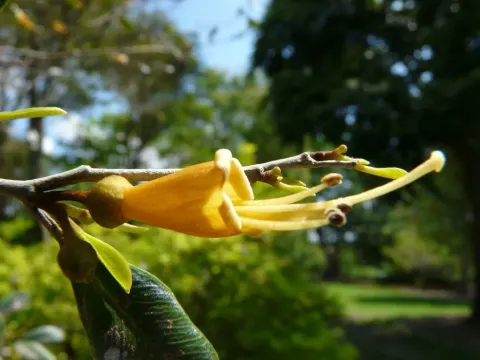
Espadaea
Espadaea
Espadaea (lat. Espadaea) is a botanical genus belonging to the Solanaceae family. It is represented by a single species, Espadaea amoena, which is endemic to the island of Cuba and is highly valued in botanical collections.
What the section contains

Espadaea
Morphologically, it develops as a sturdy shrub or a small tree. In its natural habitat, it thrives in rocky, calcareous terrain, which defines its preference for specific soil structures that allow for rapid water drainage.
The culture requires significant exposure to sunlight to maintain its physiological balance. When cultivated indoors or in specialized greenhouses, it is recommended to provide maximum light intensity without scorching the foliage.
Soil requirements focus on high aeration and moderate nutrient content. The substrate should mimic the alkaline properties of limestone-based soils, ensuring that the roots are not suffocated by dense, waterlogged media.
Regarding climate, Espadaea demands warm temperatures throughout the year. It does not tolerate frost or cold drafts, making it essential to maintain a stable environment if grown outside its native tropical range.
Typical pests affecting this plant include aphids and spider mites, which can cause severe damage to the foliage if left unchecked. Integrated pest management (IPM) using environmentally friendly soaps or oils is highly recommended.
Root rot is the most common pathology, typically triggered by improper irrigation cycles. Ensuring a dry-down period between watering sessions helps prevent the colonization of pathogenic fungi in the root zone.
Viral infections can affect growth and are often spread by piercing-sucking insects. Maintaining healthy, vigorous plants through proper nutrition acts as a primary defense against viral vulnerabilities.
Nematodes are a silent threat in soils that have not been adequately sterilized. For nursery operations, it is vital to use pasteurized soil to prevent the introduction of these soil-borne parasites.
Leaf spot diseases, caused by various fungal spores in high-humidity environments, require proper spacing between plants and excellent air circulation to reduce the duration of leaf wetness and disease pressure.