
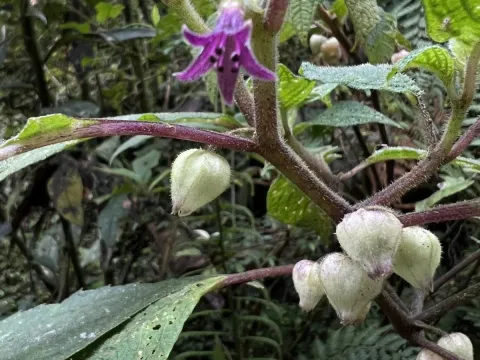
Deprea
Deprea
The genus Deprea belongs to the taxonomically complex Solanaceae family. These plants are closely related to various nightshade crops, exhibiting typical family traits such as star-shaped or bell-shaped flowers and often complex chemical compositions within their tissues.
What the section contains


Deprea
The native distribution of Deprea is primarily concentrated in the tropical montane forests of the Neotropics, specifically within the Andean region. They thrive in environments characterized by constant humidity, cloud cover, and moderate thermal regimes, which are critical for their developmental cycles.
Botanically, they are characterized by simple, alternate leaves and small to medium-sized fruits that are often berries. Their growth habit varies from herbaceous perennials to woody subshrubs, depending on the specific environmental pressures of their microhabitat.
Cultivation requirements for the genus necessitate well-draining, nutrient-rich substrates mimicking a forest floor composition. They are highly dependent on specific light intensities, typically preferring filtered light rather than direct sunlight exposure, which can cause leaf scorch.
While Deprea is not currently a major commercial crop, it holds substantial value for phylogenetic studies within the Solanaceae family. Ongoing research aims to categorize the chemical diversity found in these plants, which could potentially offer insights into natural pest resistance mechanisms relevant to related agricultural nightshades.