
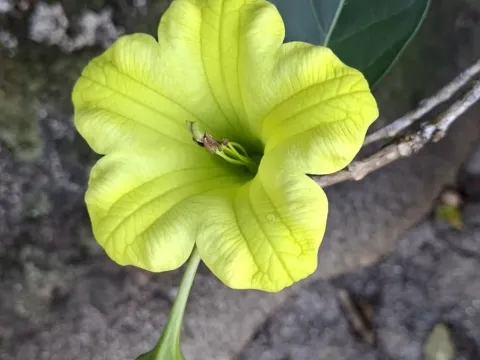
Dyssochroma
Dyssochroma
Dyssochroma is a specialized genus within the Solanaceae family, consisting of evergreen shrubs native to the rainforests of South America. These plants are known for their unique botanical structure and are highly valued by botanical gardens and plant enthusiasts.
What the section contains

Dyssochroma
The climate requirements for Dyssochroma are strict due to its tropical origin. The plant thrives in high-humidity environments and warm temperatures ranging from 18 to 28 degrees Celsius. Cultivation outside the tropics is only feasible in climate-controlled glasshouses or indoor conservatories.
Soil composition must be rich in organic matter and possess excellent drainage capabilities. A mixture consisting of pine bark, peat moss, and perlite provides the necessary structure to prevent compaction and ensure that the roots receive sufficient oxygen.
Watering frequency depends on the season and the plant's growth stage. During the active growing period, the substrate should remain consistently moist. However, in the dormant season, watering must be reduced to avoid saturation, which can be fatal to the root system.
Light management is critical for the healthy development of Dyssochroma. While the plant requires plenty of light, direct sunlight can damage the leaves, especially in greenhouse conditions. Providing diffused light or light shade is optimal for growth.
Common pests affecting Dyssochroma include aphids, spider mites, and whiteflies. These insects tend to colonize new growth and the underside of leaves, sucking sap and weakening the plant's structural integrity over time.
Root rot caused by Oomycetes and various fungi remains the most significant threat to the survival of the plant. Over-watering is the primary cause, making proper drainage and careful monitoring of irrigation practices essential.
Fungal infections, such as leaf spot, are prevalent in poorly ventilated areas where moisture accumulates on the leaf surfaces. Improving airflow and lowering relative humidity are effective ways to mitigate the risk of these diseases.
Integrated Pest Management (IPM) strategies are highly recommended for this genus. This includes biological controls, such as introducing predatory mites or beneficial insects, combined with consistent cleaning of the cultivation area.
Regular inspection of the plant's health status helps identify infestations at an early stage. Early intervention with localized treatments is always more effective and less stressful for the plant than systemic chemical applications.