
Dunalia
Dunalia
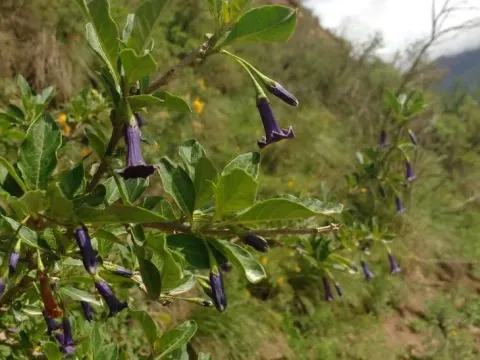
Dunalia is a genus of flowering plants belonging to the Solanaceae family, primarily consisting of perennial shrubs and small trees native to the high-altitude regions of South America. These plants are characterized by their robust growth habits in challenging montane environments.
What the section contains

Dunalia
Cultivating Dunalia successfully requires mimicking its natural mountainous habitat, which involves ensuring cool to temperate conditions with sufficient sunlight. It is crucial to protect these plants from hard frosts, which can significantly damage the tender shoots and overall plant health during the early growth stages.
Soil requirements for Dunalia involve well-drained, porous growing media with a neutral to slightly acidic pH level. Proper drainage is the single most important factor, as the species is highly susceptible to root rot if left in waterlogged soil conditions for extended periods of time.
Agronomic management of this crop focuses on maintaining moderate soil moisture and applying balanced fertilization programs. Pruning is also an essential practice to maintain plant structure and ensure adequate airflow, which is critical for preventing fungal diseases in the dense foliage of the shrubs.
The industrial and economic utility of Dunalia centers on its phytochemical potential. It is often investigated for its accumulation of secondary metabolites, such as alkaloids, which hold potential value for pharmacological and botanical research, making it a subject of interest in specialized plant production.
The main pests affecting Dunalia are common greenhouse and garden insects, including aphids, whiteflies, and spider mites, which can proliferate in dry conditions. Additionally, fungal pathogens often target the roots if irrigation is not carefully managed, leading to rapid decline and plant death.