

Reference · Crops
Citrus
Citrus L.
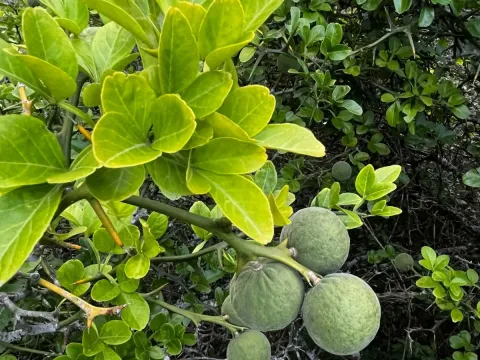
Citrus (Citrus L.) belongs to the Rutaceae family and encompasses a wide range of evergreen trees and shrubs. Originating in the tropical and subtropical regions of Southeast Asia, these plants have become a staple of global horticulture due to their high nutritional and commercial value.
152
items
What the section contains
Panuban
Citrus panuban (Wester) Tanaka
 Papaya
Citrus papaya Hassk.
Papaya
Citrus papaya Hassk.
 Pear-shaped citrus
Citrus pyriformis Hassk.
Pear-shaped citrus
Citrus pyriformis Hassk.
 Persian lime
Citrus latifolia (Yu. Tanaka) Tanaka
Persian lime
Citrus latifolia (Yu. Tanaka) Tanaka
 Pomelo
Citrus maxima (Burm.) Merr.
Pomelo
Citrus maxima x Citrus reticulata
Pomelo
Citrus maxima (Burm.) Merr.
Pomelo
Citrus maxima x Citrus reticulata
 Rokugatsu citrus
Citrus rokugatsu hort. ex Yu. Tanaka
Rokugatsu citrus
Citrus rokugatsu hort. ex Yu. Tanaka
 Rough lemon
Citrus jambhiri Lush.
Rugose citrus
Citrus rugulosa hort. ex Tanaka
Rough lemon
Citrus jambhiri Lush.
Rugose citrus
Citrus rugulosa hort. ex Tanaka
 Satsuma mandarin
Citrus unshiu Marcow.
Satsuma mandarin
Citrus unshiu Marcow.
 Shikuwasa
Citrus depressa Hayata
Shikuwasa
Citrus depressa Hayata
 Shunkokan
Citrus shunkokan hort. ex Tanaka
Shunkokan
Citrus shunkokan hort. ex Tanaka
 Sulcata
Citrus sulcata hort. ex I. Takah.
Sulcata
Citrus sulcata hort. ex I. Takah.
 Sunki mandarin
Citrus sunki (Hayata) hort. ex Tanaka
Sunki mandarin
Citrus sunki (Hayata) hort. ex Tanaka
 Sweet lime
Citrus limettioides Tanaka
Sweet lime
Citrus limettioides Tanaka
 Taiwan lemon
Citrus taiwanica Tanaka & Y. Shimada
Taiwan lemon
Citrus taiwanica Tanaka & Y. Shimada
 Tamurana
Citrus tamurana hort. ex Tanaka
Tamurana
Citrus tamurana hort. ex Tanaka
 Tangelo
Citrus xtangelo J. W. Ingram & H. E. Moore
Tangelo
Citrus xtangelo J. W. Ingram & H. E. Moore
 Tangor
Hybrids between Citrus reticulata Blanco and Citrus sinensis (L.) Osbeck
Tangor
Hybrids between Citrus reticulata Blanco and Citrus sinensis (L.) Osbeck
 Tankan
Citrus tankan Hayata
Tankan
Citrus tankan Hayata
 Tarogayo
Citrus tarogayo hort. ex Yu. Tanaka
Tarogayo
Citrus tarogayo hort. ex Yu. Tanaka
 Temple
Citrus temple hort. ex Yu. Tanaka
Temple
Citrus temple hort. ex Yu. Tanaka
 Temple Mandarin
Citrus nobilis x Citrus temple
Temple Mandarin
Citrus nobilis x Citrus temple
 Temple Tangelo
Citrus temple hort. ex Yu. Tanaka x Citrus x paradisi Macfad. Notho
Temple Tangelo
Citrus temple hort. ex Yu. Tanaka x Citrus x paradisi Macfad. Notho
 Ujukitsu
Citrus ujukitsu Tanaka
Ujukitsu
Citrus ujukitsu Tanaka
 Wester citron
Citrus pseudolimonum Wester
Yamabuki
Citrus yamabuki hort. ex Yu. Tanaka
Wester citron
Citrus pseudolimonum Wester
Yamabuki
Citrus yamabuki hort. ex Yu. Tanaka
 Yatsushiro
Citrus yatsushiro hort. ex Tanaka
Yatsushiro
Citrus yatsushiro hort. ex Tanaka
 Yellow passion fruit
Citrus flavicarpa hort. ex Tanaka
Yellow passion fruit
Citrus flavicarpa hort. ex Tanaka
 Yuko
Citrus yuko hort. ex Tanaka
Yunnan Lemon
Citrus longilimon Tanaka
Yuko
Citrus yuko hort. ex Tanaka
Yunnan Lemon
Citrus longilimon Tanaka
 Yuzu
Citrus junos Sieb ex Tanaka
Yuzu
Citrus junos Sieb ex Tanaka
Papaya
Citrus papaya Hassk.
Pear-shaped citrus
Citrus pyriformis Hassk.
Persian lime
Citrus latifolia (Yu. Tanaka) Tanaka
Pomelo
Citrus maxima (Burm.) Merr.
Pomelo
Citrus maxima x Citrus reticulata
Rokugatsu citrus
Citrus rokugatsu hort. ex Yu. Tanaka
Rough lemon
Citrus jambhiri Lush.
Rugose citrus
Citrus rugulosa hort. ex Tanaka
Satsuma mandarin
Citrus unshiu Marcow.
Shikuwasa
Citrus depressa Hayata
Shunkokan
Citrus shunkokan hort. ex Tanaka
Sulcata
Citrus sulcata hort. ex I. Takah.
Sunki mandarin
Citrus sunki (Hayata) hort. ex Tanaka
Sweet lime
Citrus limettioides Tanaka
Taiwan lemon
Citrus taiwanica Tanaka & Y. Shimada
Tamurana
Citrus tamurana hort. ex Tanaka
Tangelo
Citrus xtangelo J. W. Ingram & H. E. Moore
Tangor
Hybrids between Citrus reticulata Blanco and Citrus sinensis (L.) Osbeck
Tankan
Citrus tankan Hayata
Tarogayo
Citrus tarogayo hort. ex Yu. Tanaka
Temple
Citrus temple hort. ex Yu. Tanaka
Temple Mandarin
Citrus nobilis x Citrus temple
Temple Tangelo
Citrus temple hort. ex Yu. Tanaka x Citrus x paradisi Macfad. Notho
Ujukitsu
Citrus ujukitsu Tanaka
Wester citron
Citrus pseudolimonum Wester
Yamabuki
Citrus yamabuki hort. ex Yu. Tanaka
Yatsushiro
Citrus yatsushiro hort. ex Tanaka
Yellow passion fruit
Citrus flavicarpa hort. ex Tanaka
Yuko
Citrus yuko hort. ex Tanaka
Yunnan Lemon
Citrus longilimon Tanaka
Yuzu
Citrus junos Sieb ex Tanaka
Marketplace
Products in this section · 12


Citrus
Successful cultivation requires specific soil conditions. Citrus trees perform best in well-draining, slightly acidic soil with a pH ranging from 5.5 to 6.5. Good drainage is essential, as waterlogged soil frequently leads to root asphyxiation and the development of destructive soil-borne pathogens.
Climate is the primary factor limiting the range of citrus cultivation. These plants are highly sensitive to frost and thrive in warm temperatures, typically between 18°C and 28°C. In regions with cold climates, citrus must be grown in greenhouses or protected structures.
Adequate sunlight is fundamental for photosynthesis and fruit production. Citrus trees are heliophilic and require full sun exposure, at least 8 to 10 hours daily. Insufficient light results in sparse foliage, weak branching, and a significant decrease in fruit quality and yield.
Water management involves keeping the soil consistently moist but not saturated. Drought stress can cause leaf drop and fruit abscission, while excessive watering increases the susceptibility of the root system to various fungal infections and rot diseases.
Citrus trees are prone to numerous fungal diseases that require vigilant management. Common pathologies include alternaria, anthracnose, and rhizoctonia. These fungi often target leaves and stems, significantly weakening the plant's ability to store energy for fruit production.
Root and crown diseases, such as white root rot, ash rot, and sclerotinia, pose severe risks to tree longevity. These conditions are usually associated with poor drainage, overly dense soil, or mechanical damage to the base of the trunk, providing entry points for spores.
Gray mold (Botrytis) and penicillium rot are particularly aggressive during periods of high humidity. While they primarily affect fruit, they can cause systemic decay if not addressed immediately through sanitation and proper chemical intervention.
Pest management is crucial to maintain tree vigor. Mites, scale insects, and mealybugs do not just extract sap; they also serve as vectors for various plant diseases. An integrated approach including biological controls and targeted pesticides is essential for large-scale operations.
- Maintain appropriate spacing to ensure air circulation.
- Prune dead or infected branches regularly.
- Apply mulch carefully to avoid crown contact.
- Monitor soil moisture to prevent fungal outbreaks.