
Rough lemon
Citrus jambhiri Lush.
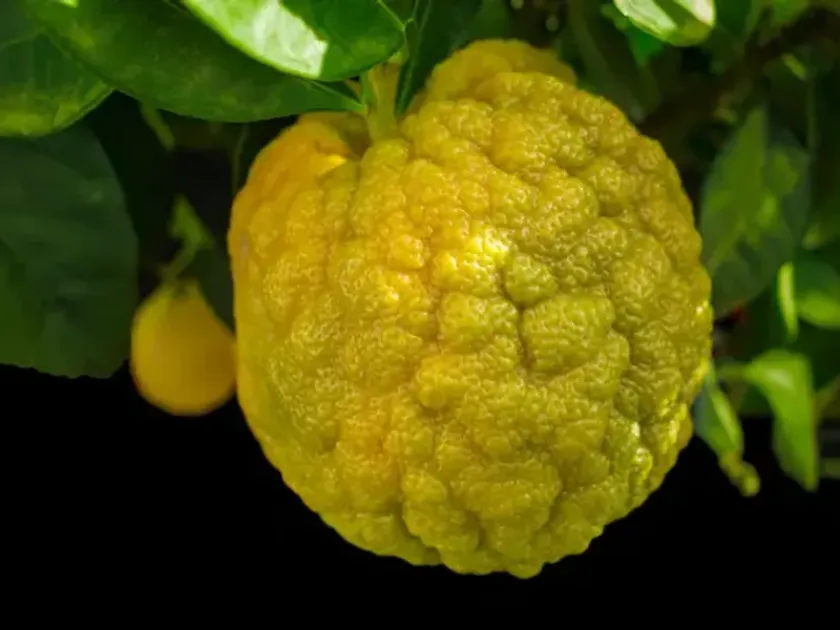
Description
Growing requirements
The rough lemon, taxonomically classified as Citrus jambhiri, belongs to the Rutaceae family. It is recognized as a hybrid with an exceptionally vigorous growth habit and a deep, extensive root system.
Originating from Northern India, this plant has adapted to various tropical environments globally. It is widely cultivated for its high compatibility with commercial scion varieties in the citrus industry.
The crop thrives in well-draining soil types, showing tolerance to a wide range of soil pH levels. It requires significant sunshine and warmth to maintain optimal physiological activity throughout the growing season.
Water requirements are moderate, as the tree possesses natural drought-resisting mechanisms. However, supplemental irrigation is critical during prolonged heatwaves to support robust canopy development.
While the fruit is sometimes processed for its essential oils or juice, the primary commercial utility remains its role as a rootstock. Its ability to support rapid scion growth makes it invaluable in orchard establishment.
Main diseases and pests
Rough lemon exhibits strong field resistance to many soil-borne fungal pathogens. This trait makes it an ideal candidate for grafting in diverse climates where other citrus species struggle with root rot.
However, the tree is susceptible to specific viral pathogens, including citrus tristeza virus, which can compromise overall orchard longevity if not managed. Using disease-free budwood is essential.
Pest management focuses on controlling sap-sucking insects like aphids, mites, and scale insects. These pests can cause significant leaf damage and weaken the tree if left unchecked.
Nematode populations in the soil can potentially affect root health in long-term plantations. Implementing soil sterilization or selecting nematode-resistant sites is a standard practice in commercial nurseries.
Environmental stress, such as extreme salinity or waterlogging, can also lead to nutrient deficiencies. Balanced fertilization programs help maintain the vigor and pest resistance of the rootstock.