
Tangelo
Citrus xtangelo J. W. Ingram & H. E. Moore
Description
Growing requirements
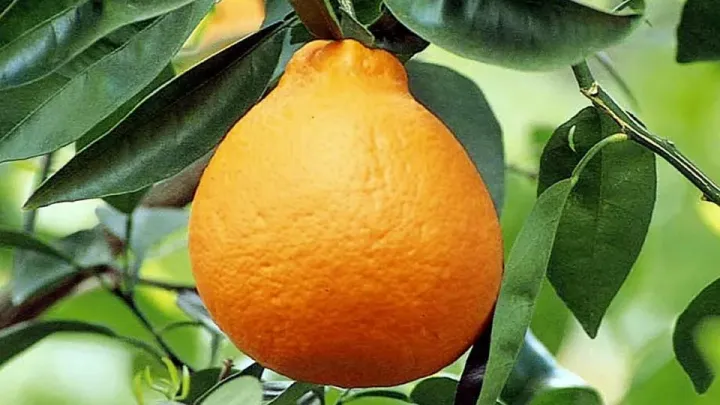
Tangelo (Citrus × tangelo) is a citrus hybrid resulting from a cross between a tangerine (or mandarin) and a pomelo or grapefruit. Belonging to the Rutaceae family, this evergreen tree is valued for its unique combination of citrus flavors and botanical traits.
Optimal growth requires a warm, subtropical climate with abundant sunlight. Tangelo trees thrive in temperatures between 20°C and 30°C and are highly sensitive to frost; temperatures falling below -5°C can cause severe damage to the branches and fruit crop.
The ideal soil for tangelo cultivation is a fertile, well-draining loam or sandy loam with a slightly acidic pH between 5.5 and 6.5. Good drainage is essential, as waterlogged roots are highly prone to fungal infections and decline.
Effective agrotechnical practices include consistent irrigation management. Drip irrigation is highly recommended to maintain soil moisture consistency, especially during the flowering and fruit-setting stages, to prevent premature fruit drop.
Pruning is a critical aspect of canopy management, facilitating light penetration and air circulation. A well-maintained crown improves overall tree health and fruit quality while making pest management easier to implement.
Yield
Yield capacity for tangelo trees varies significantly depending on the specific cultivar, tree age, and orchard management intensity. Mature, healthy trees can produce substantial harvests under professional agricultural conditions.
The fruit is characterized by its large size, easy-to-peel skin, and extremely juicy pulp. The flavor profile is typically complex, offering a balance between the sweetness of a mandarin and the acidic notes of a grapefruit.
Harvesting is performed manually to ensure fruit quality and prevent skin damage. It is essential to monitor the maturity index, as fruit quality reaches its peak only when sugar-to-acid ratios are balanced correctly.
Commercial orchards typically expect the first significant harvests to begin around 4–6 years after planting. Proper nutrition management ensures these trees remain productive for several decades.
Post-harvest handling requires careful temperature and humidity control to maintain freshness and prevent mold development during storage and transport to retail markets.
Main diseases and pests
Common pests affecting tangelo plantations include aphids, scale insects, citrus whiteflies, and spider mites. These pests suck nutrients from leaves and young stems, often weakening the tree's vigor.
Fungal diseases like anthracnose, melanose, and citrus canker represent significant threats, especially in humid regions where prolonged leaf wetness facilitates pathogen growth.
- Implement regular scouting to detect pest outbreaks early.
- Use certified pest-free nursery stock to prevent disease introduction.
- Apply preventative fungicide sprays during high-risk moisture periods.
- Maintain proper tree spacing to ensure adequate airflow and sunlight.
- Remove any necrotic or diseased wood through routine sanitary pruning.
Root rot, often caused by Phytophthora, remains a critical risk factor, necessitating the use of resistant rootstocks and vigilant irrigation control to avoid saturated soil conditions.