
Shunkokan
Citrus shunkokan hort. ex Tanaka
Description
Growing requirements
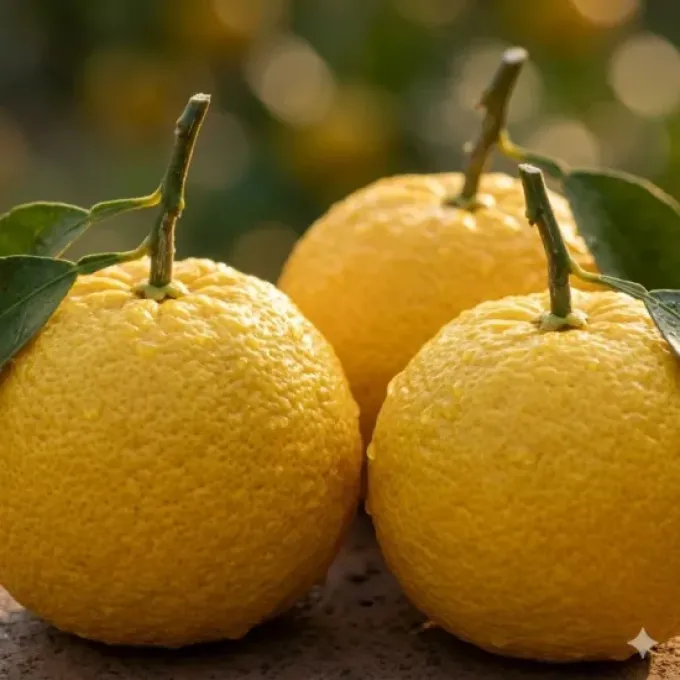
Shunkokan (Citrus shunkokan) is a unique Japanese citrus hybrid belonging to the Rutaceae family. It is believed to have originated as a spontaneous hybrid in Japan and is traditionally cultivated in the Wakayama Prefecture, where it is valued for its specific characteristics.
This crop has high demands regarding temperature conditions: it prefers a subtropical climate with mild winters and no prolonged frosts. Optimal tree development occurs at temperatures ranging from +18 to +28 degrees Celsius during the growing season.
For successful growth, Shunkokan requires fertile, well-drained soils with a neutral or slightly acidic pH. Water stagnation in the root zone is detrimental to the plant, so constructing a high-quality drainage layer is essential for healthy development.
The plant is heliophilous and requires significant amounts of sunlight to develop fruit properly and achieve its characteristic flavor profile. In greenhouse conditions, supplemental lighting during the winter is recommended to prevent etiolation of the shoots.
Agrotechnical practices include regular irrigation during dry periods, the application of complex mineral fertilizers containing micronutrients, and periodic sanitary and formative pruning to improve air circulation and light penetration within the canopy.
Main diseases and pests
The main threats to Shunkokan, similar to most citrus species, are scale insects and spider mites, which reproduce rapidly in low-humidity environments. Regular visual inspections of the foliage allow for the early detection and management of these pests.
Among fungal diseases, mal secco, which causes shoot dieback, and root rot, caused by excessive moisture, are the most dangerous. Preventive measures include the use of fungicides and strict adherence to irrigation schedules to maintain soil health.
Harvesting
Shunkokan fruits possess a distinct aroma and are commonly used in culinary applications, including the production of marmalades, candied peels, and sauces. Harvesting is conducted manually once the fruits reach full maturity and the peel acquires its characteristic vibrant color.