
Temple
Citrus temple hort. ex Yu. Tanaka
Description
Growing requirements
Temple is a recognized natural hybrid between the mandarin and the sweet orange, belonging to the Rutaceae family. The tree exhibits vigorous growth and develops a wide, spreading canopy with dense, evergreen foliage.
The culture thrives in tropical and subtropical climates where ample sunlight is available. Temple is notably sensitive to frost, which limits its commercial cultivation to frost-free regions or protected greenhouse environments.
The ideal soil for Temple is well-drained loamy soil with a neutral pH level. Proper drainage is absolutely critical, as the roots are highly susceptible to root rot when exposed to waterlogged conditions.
Agrotechnical management requires consistent irrigation schedules, particularly during the flowering stage and fruit development. A comprehensive fertilization program focusing on nitrogen, phosphorus, and potassium is essential to ensure high plant vigor.
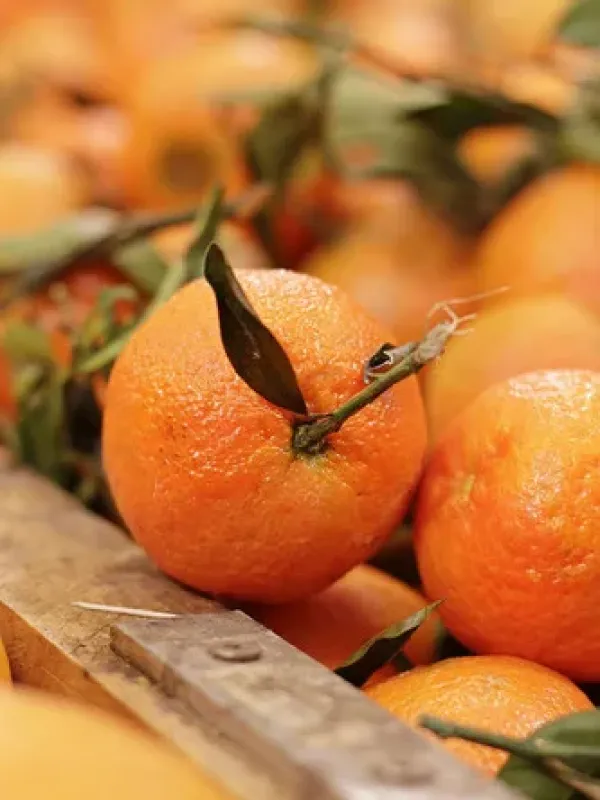
The fruit of the Temple is prized for its deep orange skin, relatively thin rind, and sweet, aromatic flesh. It is mainly consumed as a fresh fruit, though it is also highly valued by the juice processing industry for its high yield.
Yield
The yield potential of Temple trees is significant when managed under optimal orchard conditions. Mature trees are capable of producing consistent annual crops if proper pruning and thinning are practiced.
Careful management of crop load is necessary to prevent biennial bearing patterns. Strategic thinning during the heavy fruit set season helps maintain long-term tree health and produce high-quality, uniform fruit sizes.
Main diseases and pests
Common citrus pests such as scale insects, mites, and citrus whiteflies pose the primary threat to Temple orchards. Early detection via regular field scouting allows for timely intervention using integrated pest management strategies.
Fungal diseases like melanose and various forms of citrus canker remain significant challenges. Implementing sanitation measures, such as removing infected twigs and applying copper-based fungicides, is standard practice for protection.
Harvesting
Harvesting Temple fruits must be done with extreme care due to the thin and easily damaged rind. The fruit is typically harvested by hand to ensure the skin remains intact for storage and market appeal.
Post-harvest management involves careful sorting and grading based on size and color. Proper handling and storage at controlled temperatures are vital to maintain the shelf life and freshness of the fruit before distribution.