
Yatsushiro
Citrus yatsushiro hort. ex Tanaka
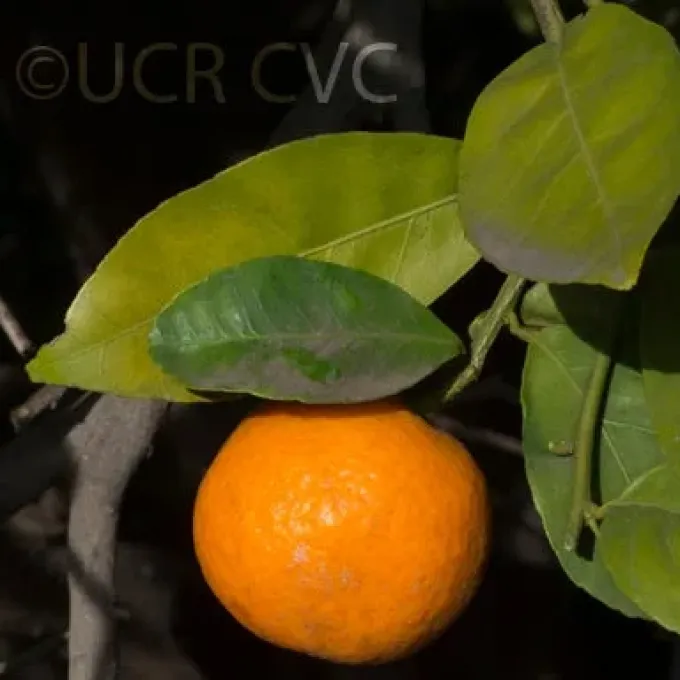
Description
Growing requirements
Yatsushiro (Citrus yatsushiro hort. ex Tanaka) is a distinctive citrus cultivar belonging to the Rutaceae family. Originating from Japan, specifically the Kumamoto Prefecture, this variety represents a specialized segment of mandarin-like citrus that is highly valued for its fruit quality.
The climate requirements for Yatsushiro include a mild subtropical environment. The tree thrives in regions with warm, long summers and cool, frost-free winters. Consistent exposure to sunlight is essential for the tree to produce sweet, high-quality fruits throughout the season.
Regarding soil, Yatsushiro requires well-drained, nutrient-rich substrates with a slightly acidic to neutral pH level. Proper aeration of the root system is crucial to prevent root rot, which is a common issue in heavier, clay-based soils that retain too much moisture.
Agrotechnical practices involve scheduled fertilization using balanced nitrogen-phosphorus-potassium (NPK) fertilizers, supplemented with micronutrients like iron and magnesium. Irrigation should be managed precisely, as the plant does not tolerate waterlogging but requires consistent moisture during the fruiting period.
The primary use of the Yatsushiro fruit is for the fresh market. It is prized for its easy-to-peel skin and juicy, flavorful segments, making it a desirable specialty citrus variety for both domestic consumption and small-scale export trade in its native Japan.
Main diseases and pests
Pest management for Yatsushiro focuses on controlling common citrus pests, such as aphids, spider mites, and scale insects. These organisms can significantly reduce tree vigor if left untreated, necessitating regular monitoring and timely application of protective measures.
Fungal pathogens, including anthracnose and root rot fungi, pose a constant threat, especially during humid or rainy weather. Maintaining proper spacing between trees and performing regular pruning to ensure airflow is a primary preventive measure.
Citrus tristeza virus (CTV) remains a major concern for this cultivar. It is imperative to source saplings that are grafted onto virus-resistant rootstocks to ensure the longevity and productivity of the orchard over many years.
Integrated pest management (IPM) strategies, which prioritize natural predators and biological controls, are recommended for Yatsushiro cultivation. This reduces chemical residues on the fruit and promotes a healthier ecosystem within the grove.
Regular sanitation, such as removing fallen leaves and dead wood, is vital to break the life cycle of various pests and diseases. By keeping the orchard clean and monitoring the health of the foliage, growers can ensure consistent yields and fruit quality.