
Tarogayo
Citrus tarogayo hort. ex Yu. Tanaka
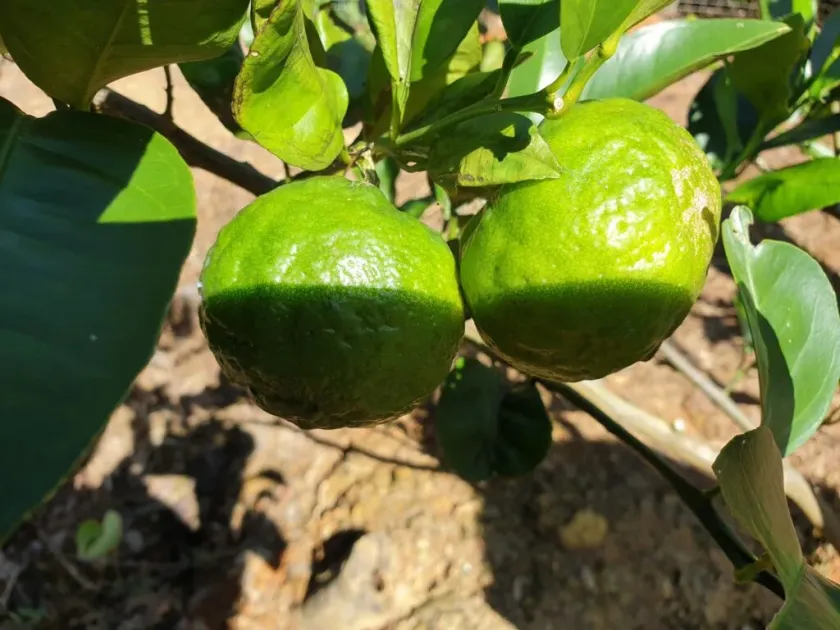
Description
Growing requirements
Tarogayo (Citrus tarogayo hort. ex Yu. Tanaka) is a distinct citrus variety belonging to the Rutaceae family. Native to East Asian regions, specifically associated with Japanese citrus diversity, this plant is considered a specialty cultivar often found in botanical collections and specialized orchards.
The plant requires a stable subtropical climate to thrive. It is not cold-hardy, meaning it is best suited for zones where temperatures remain consistently above freezing. In temperate areas, Citrus tarogayo must be grown in greenhouses or as a container plant that can be moved indoors during colder months.
Regarding soil requirements, Tarogayo prefers well-drained, slightly acidic, and nutrient-rich soil. Poor drainage often leads to root rot, which is a common issue for this variety. A potting mix consisting of loamy soil, compost, and coarse perlite or sand is generally recommended for optimal growth.
Agronomic management involves regular watering throughout the growing season, ensuring the top inch of soil dries out before the next irrigation. Sunlight is a critical factor for fruit development; the plant needs at least 6 to 8 hours of direct or bright indirect light daily to maintain vigor.
In terms of хозяйственное (economic) use, the fruit of the Tarogayo is valued for its unique organoleptic profile, which often combines tart and sweet notes. It is primarily used in local culinary applications, including preserves and flavored beverages, and is highly appreciated by gardening enthusiasts as an ornamental specimen.
Main diseases and pests
Like many citrus species, Tarogayo is susceptible to common pests including aphids, spider mites, and scale insects. These pests can cause significant damage to foliage and hinder the overall photosynthetic capacity of the tree if left untreated.
Integrated pest management, including the use of neem oil or insecticidal soaps, is effective in controlling infestations. Frequent monitoring of the undersides of the leaves is advised to catch early signs of pest activity before they escalate.
Fungal diseases, particularly those affecting the roots and foliage, are significant risks. Anthracnose and various types of mold occur when the plant is kept in environments with poor air circulation and excessive moisture, making ventilation a key preventive measure.
Viral infections can also pose a threat to the vitality of the plant. Using certified disease-free rootstock and tools sterilized with alcohol between prunings can prevent the transmission of systemic pathogens that negatively impact fruit production.
A balanced fertilization program, focusing on essential micronutrients such as iron and magnesium, helps bolster the tree's natural resistance. Healthy, well-nourished plants are generally more resilient against minor pathogen attacks and environmental stressors.