
Rokugatsu citrus
Citrus rokugatsu hort. ex Yu. Tanaka
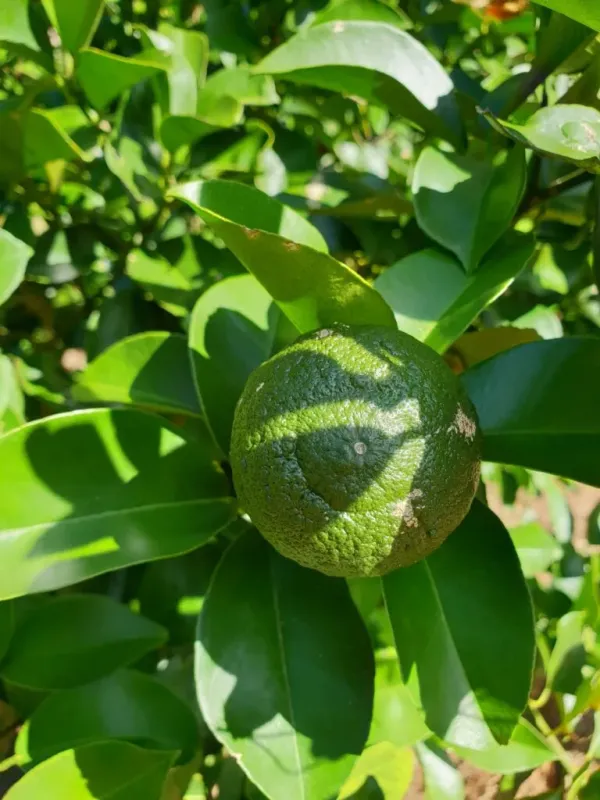
Description
Growing requirements
The Rokugatsu citrus (Citrus rokugatsu) is an exotic member of the Rutaceae family, primarily recognized for its unique characteristics in Japanese horticulture. It is a subtropical plant that thrives in specific environmental conditions.
To ensure healthy growth, the plant requires a stable temperature range between 18°C and 26°C. It is highly sensitive to cold drafts and extreme thermal fluctuations, which can negatively impact its developmental cycles.
The ideal growing medium should be well-draining, aerated, and slightly acidic, with a pH balance between 5.5 and 6.5. A mix of organic matter and inorganic drainage materials is highly recommended to prevent root rot.
Rokugatsu citrus demands high light levels to sustain its metabolic functions. Bright, indirect sunlight is essential for at least 10–12 hours a day, making supplemental lighting necessary in regions with short winter days.
Maintaining proper humidity is crucial for this species. Regularly misting the foliage or using a humidifier helps replicate the natural subtropical environment, keeping the plant hydrated and free from stress.
Yield
The yield of Citrus rokugatsu is generally considered moderate, as the tree focuses energy on maintaining its aesthetic form as much as on fruit production. It is a prized specimen for specialized citrus collectors.
Productivity is significantly enhanced by a balanced fertilization program. Applying specific citrus-formulated nutrients during the spring and summer months supports the development of healthy blossoms and subsequent fruit sets.
Strategic pruning is a fundamental practice to increase yield. By removing dense or unproductive wood, gardeners can improve air circulation and light penetration, stimulating the tree to produce more fruit-bearing branches.
Harvesting should be done with sharp, sterilized tools to prevent injury to the tree. The fruit is typically harvested at full maturity, when its aroma and sugar content reach their peak levels.
This variety is not widely produced at an industrial scale, which enhances its exclusivity. The fruit serves specialized markets, particularly in the production of high-end culinary ingredients and aromatics.
Main diseases and pests
Scale insects and spider mites are the most common pests affecting Rokugatsu citrus. These insects feed on the sap, causing leaf yellowing and potentially fatal weakening if left untreated.
Fungal diseases, including leaf spot and root decay, often emerge due to improper watering habits or poor drainage. Maintaining a strict watering schedule is the best preventive strategy against these pathogens.
Chlorosis is a frequent issue, usually linked to nutrient deficiencies or soil pH imbalances. Implementing foliar sprays or correcting the soil composition can effectively manage this condition and restore leaf health.
Integrated pest management (IPM) is highly recommended. This involves periodic visual inspections, manual removal of early-stage infestations, and targeted treatments when necessary to minimize chemical exposure.
Environmental stress is a silent threat to this plant. Ensuring consistent conditions helps build the plant's resistance to both pests and common environmental ailments, ensuring long-term health and vitality.