
Sulcata
Citrus sulcata hort. ex I. Takah.
Description
Growing requirements
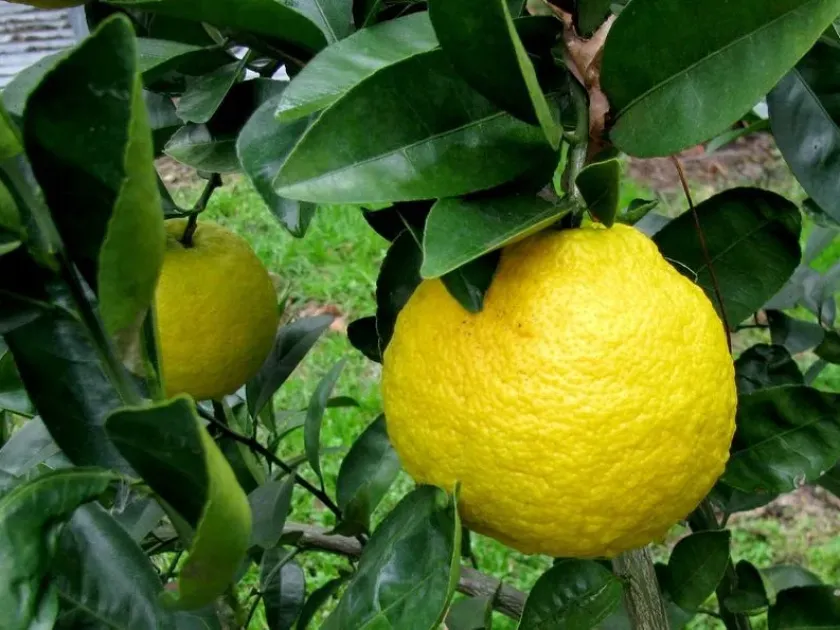
Sulcata (Citrus sulcata) is a species of evergreen fruit trees belonging to the Rutaceae family. Often referred to in Japan as "santin," this plant is a close relative of pomelo and grapefruit, exhibiting distinct characteristics of a subtropical crop.
The natural cultivation range is limited to regions of Japan where the climate allows the plant to develop properly without the risk of severe winter frosts. The crop prefers moderately warm conditions and cannot tolerate temperatures below -5°C, restricting its outdoor cultivation.
For successful growth, Sulcata requires well-drained, fertile soils with a neutral or slightly acidic pH level. It is essential to provide protection from strong winds that can damage leathery leaves and young ovaries, and to ensure a high level of solar radiation throughout the growing season.
Agronomic practices include regular irrigation that excludes water stagnation, as the root system of this citrus is extremely sensitive to excess moisture. Optimal air humidity should be maintained at 60–70%, which is particularly important during the periods of flowering and fruit formation.
The commercial use of Sulcata is driven by the specific sweet-and-sour taste of the fruits and their pronounced aroma. The fruits are often used for juice production, candied peels, and in confectionery, where their unique biochemical profile is highly valued.
Main diseases and pests
Like most representatives of the Citrus genus, Sulcata is susceptible to infestations by scale insects, spider mites, and mealybugs, which feed on the plant's sap and weaken its immune system.
A common fungal threat is anthracnose, which manifests as leaf spotting, as well as citrus melanose, which affects fruits under high humidity and poor crown ventilation conditions.
For disease prevention, it is recommended to carry out regular sanitary pruning to ensure high-quality aeration of the inner space of the crown.
Root rots caused by waterlogged soil require immediate correction of the irrigation schedule and the use of copper-based fungicidal preparations.
Pest control is based on the use of biological insecticides and horticultural oils, which minimize the negative impact on beneficial pollinating insects.