
Pomelo
Citrus maxima (Burm.) Merr.
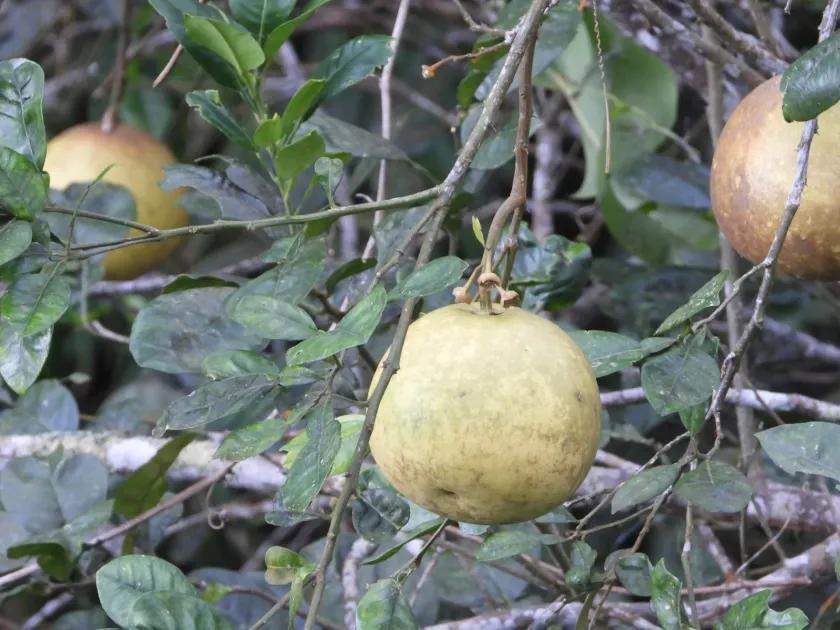
Description
Growing requirements
Pomelo (Citrus maxima) is a perennial evergreen fruit tree belonging to the Rutaceae family. As the largest citrus fruit, it is native to Southeast Asia and is widely cultivated in tropical and subtropical regions for its significant economic value.
The tree thrives in warm climates where temperatures remain consistently between 25 and 30 degrees Celsius. It requires high humidity and abundant sunlight, making it highly susceptible to cold stress; therefore, cultivation is limited to frost-free areas.
Soil requirements for optimal growth include deep, well-draining, and nutrient-rich soils with a slightly acidic to neutral pH. Proper soil management is vital to prevent root rot, as the root system of Citrus maxima is highly intolerant to waterlogging.
Agronomic practices focus on balanced irrigation throughout the growing season and regular application of organic and mineral fertilizers to support tree development. Pruning is essential for maintaining a manageable canopy size and ensuring adequate light penetration.
Pomelo serves various commercial purposes, ranging from the fresh fruit market to the extraction of essential oils for the fragrance industry. Its thick rind is also used in culinary applications, including the production of marmalades and candied zest.
Yield
The yield of a mature pomelo tree is significant, often producing dozens of large fruits per season. Productivity is maintained through diligent orchard management, including pollination support and adequate nutrient availability during fruit set.
Main diseases and pests
Major diseases affecting the crop include citrus canker and various root rot fungi caused by Phytophthora species. Sanitation and the use of resistant rootstocks are the primary methods for mitigating these pathological risks in commercial orchards.
Pests such as citrus aphids, mealybugs, and spider mites present a constant challenge to pomelo growers. Integrated pest management (IPM) strategies, including biological controls and targeted chemical treatments, are employed to manage these populations effectively.