
Yuzu
Citrus junos Sieb ex Tanaka
Description
Growing requirements
Yuzu (Citrus junos) is a hybrid of mandarin and ichang papeda, belonging to the Rutaceae family. It is an evergreen tree known for its relatively high cold tolerance for a citrus species, capable of surviving temperatures as low as -9°C (15°F) for short periods.
To thrive, the plant requires sunny locations sheltered from strong winds, with fertile, well-draining soil. The optimal substrate pH level should be between 5.5 and 6.5, which ensures proper nutrient uptake and prevents common mineral deficiencies.
In temperate climates, yuzu is often grown in containers or greenhouses. The plant requires regular but moderate irrigation, as stagnant water in the root zone can lead to root rot and premature leaf drop, damaging the overall vigor of the tree.
A crucial aspect of yuzu cultivation is maintaining high air humidity during the active growing season. During the winter dormancy period, the plant benefits from cooler temperatures, which stimulate the formation of floral buds for the next harvest.
The species exhibits a slow growth rate in its early years. Grafting onto hardy rootstocks, such as the trifoliate orange (Poncirus trifoliata), significantly increases the tree's resilience to unfavorable soil conditions and shortens the time required to reach fruit-bearing maturity.
Main diseases and pests
Yuzu is susceptible to typical citrus diseases, such as citrus tristeza virus and gummosis. To prevent these infections, it is essential to use certified disease-free planting material and maintain a strict irrigation regimen, avoiding overly wet soil conditions around the trunk.
Among pests, spider mites and scale insects are the most frequent threats, especially in environments with low air humidity. Regular inspections of the canopy allow for the early detection of these pests and the implementation of appropriate biological or chemical control measures.
Mealybugs often infest young shoots, extracting plant sap and weakening the tree. Effective management requires a multifaceted approach, including washing the foliage with soap-based solutions or utilizing systemic insecticides in accordance with safety regulations.
Aphids can cause significant damage during the active spring growth phase. Their feeding causes leaves to curl, which disrupts photosynthesis and leaves the tree more vulnerable to secondary bacterial infections.
Root-knot nematodes also present a threat by damaging the root system. Using high-quality sterile substrates during repotting and incorporating balanced organic fertilizers help the tree maintain strong natural immunity against soil-borne pathogens.
Harvesting
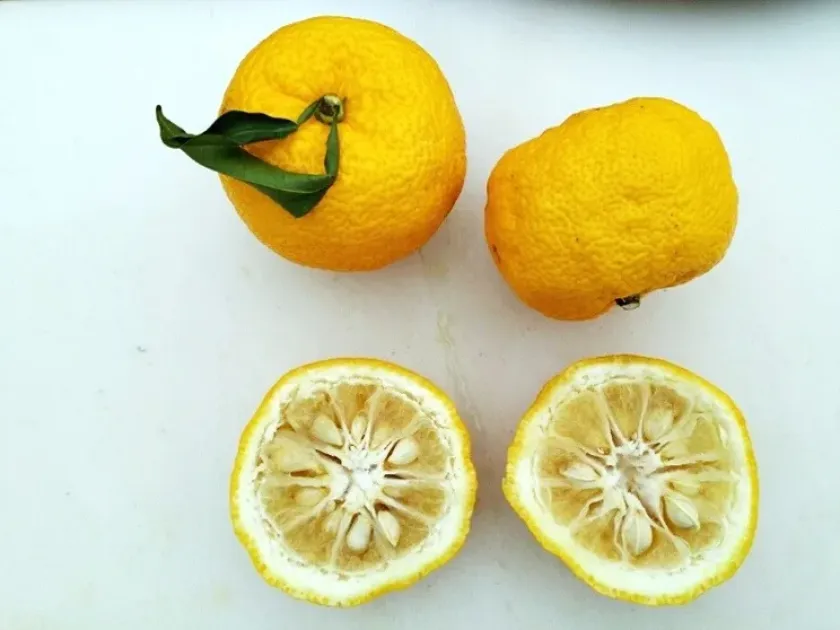
The harvest of yuzu fruits typically occurs in late autumn and early winter, once the peel has turned a vibrant yellow or orange-yellow color. At this stage, the fruit reaches the peak of its aromatic profile and contains the highest concentration of essential oils.
Fruits should be harvested carefully using pruning shears to prevent damage to the branches and the fruit stem. It is important to protect the skin from physical bruising, as any injury can facilitate the entry of fungal pathogens during post-harvest storage.
Yuzu is highly valued in culinary arts for its intense, complex fragrance—often described as a blend of lemon, grapefruit, and mandarin. Due to the high number of seeds in the pulp, it is rarely eaten fresh, but it is an essential ingredient for sauces, dressings, and marinades.
The zest of the yuzu fruit is a prized ingredient in the confectionery industry and for flavoring beverages. Rich in pectin and vitamin C, the fruit also finds significant use in the cosmetic and perfume industries for its distinct essential oils.
Traditional usage in Japan includes creating ponzu sauce and incorporating the fruit into hot baths, known as yuzu-yu, for its therapeutic benefits. Proper storage requires a cool, well-ventilated area to prevent condensation and ensure the fruit remains fresh.