
Satsuma mandarin
Citrus unshiu Marcow.
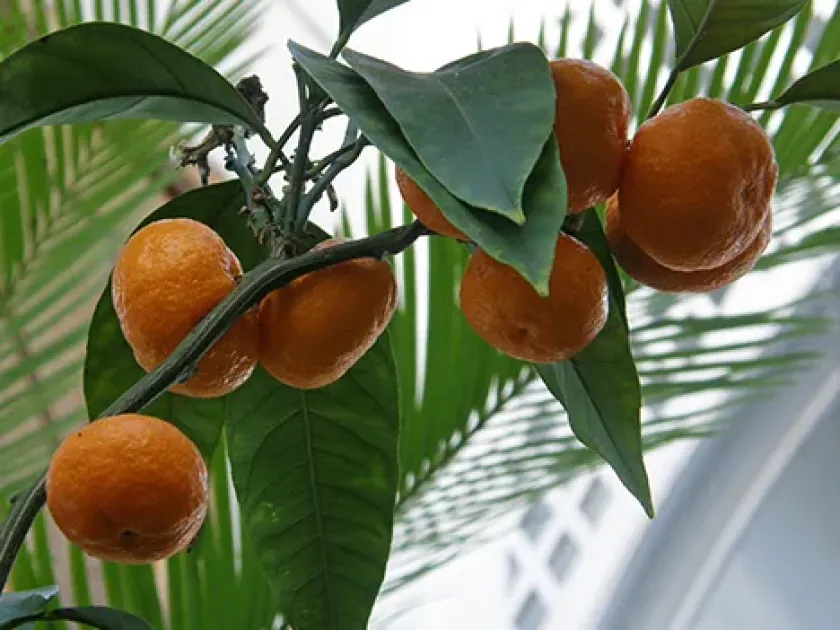
Description
Growing requirements
The Satsuma mandarin (Citrus unshiu Marcow.) is a perennial evergreen shrub or small tree belonging to the Rutaceae family. It is widely recognized for its cold tolerance and high adaptability compared to other mandarin varieties.
Native to Japan, the Satsuma mandarin has become a major commercial crop in various subtropical regions across the globe. It requires long, warm growing seasons to ensure fruit maturity and sweetness.
The plant thrives in fertile, well-draining soils with a slightly acidic to neutral pH level. Waterlogging must be strictly avoided, as the root system is highly sensitive to hypoxia, making proper drainage essential.
Climatically, it demands consistent warmth and high relative humidity. While it is the most cold-hardy of all commercial citrus species, it still requires protection against prolonged hard frosts that can damage younger branches.
Agronomic practices focus on balanced fertilization during the active growth phase, as well as regular pruning to maintain a manageable canopy size. Proper light penetration is vital for optimal fruit development and color formation.
Yield
The Satsuma mandarin is predominantly grown for fresh consumption, valued for its seedless fruits, easy-to-peel rind, and exceptional flavor profile. It is also processed into juices and canned goods.
Yield performance is influenced by the density of the orchard and the intensity of the cultivation program. A mature, well-maintained tree can produce significant annual yields ranging from 50 to over 100 kilograms.
The plant begins commercial bearing around 4 to 5 years after planting. Yield consistency is maintained through irrigation during dry spells and the application of micronutrients to prevent deficiencies.
Harvesting is performed manually to prevent damage to the delicate skin of the fruit, which is crucial for shelf-life management. In many regions, harvesting occurs from late autumn to early winter.
Economic feasibility is high due to the strong market demand for high-quality citrus products. The plant's ability to produce large quantities of uniform fruit makes it a favorite for commercial citrus farming.
Main diseases and pests
Typical pests affecting Satsuma mandarins include citrus whiteflies, aphids, scale insects, and citrus red mites. These pests suck nutrients from leaves, causing yellowing and stunted growth if not managed promptly.
Fungal diseases like anthracnose and gummosis are common in humid environments. These conditions often manifest as lesions on the bark or spots on the leaves, leading to tissue necrosis and weakening the tree structure.
Effective control measures include preventive fungicide sprays and maintaining clean orchard practices to reduce the spread of fungal spores. Regular inspection of the trunk and lower branches is essential.
Integrated pest management (IPM) strategies, including the use of beneficial insects and targeted biological controls, are recommended to maintain ecological balance and improve yield quality.
- Pruning diseased branches to improve airflow.
- Applying copper-based fungicides during dormancy.
- Monitoring soil moisture to prevent root decay.
- Using certified pest-free rootstocks for planting.