
Wester citron
Citrus pseudolimonum Wester
Description
Growing requirements
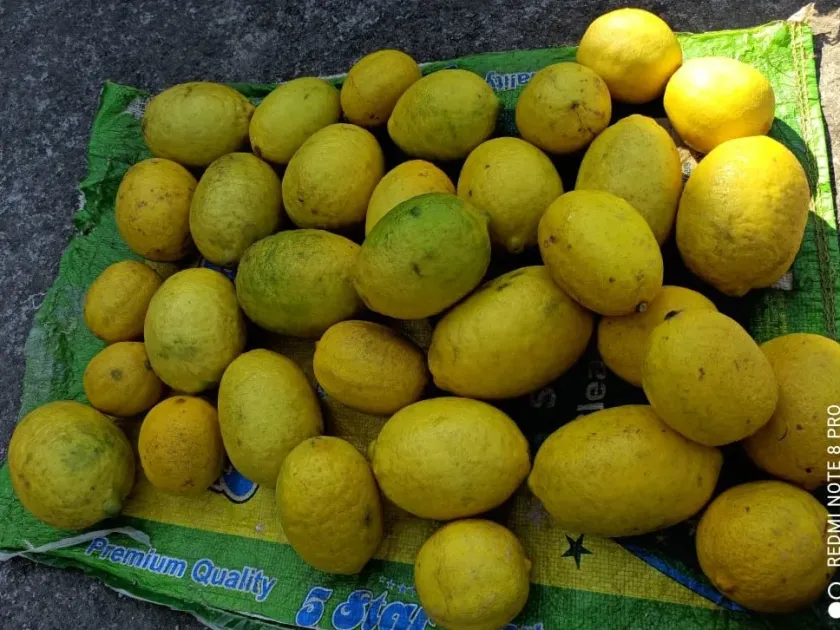
The Wester citron, scientifically known as Citrus pseudolimonum, belongs to the Rutaceae family and is a distinctive citrus variety. It is essentially a perennial evergreen shrub or small tree that exhibits morphological characteristics intermediate between certain types of citrons and lemons, often valued for its unique fruit profile.
Native to the warm regions of Southeast Asia, this crop thrives in tropical and subtropical environments. It requires constant warmth for optimal development, generally preferring temperatures between 20°C and 30°C. Outside its natural habitat, it is cultivated primarily in greenhouse environments or as a decorative pot plant.
Soil requirements for Citrus pseudolimonum focus on excellent drainage and moderate fertility. A well-aerated potting mix containing peat, loam, and coarse sand provides the ideal structural environment for the roots. It is essential to ensure that the pH level remains slightly acidic to neutral to facilitate nutrient uptake.
Watering management is a critical aspect of citrus agronomy. The soil should be kept consistently moist but never waterlogged. During the dormant winter season, irrigation frequency must be significantly reduced to prevent root rot and other physiological issues related to excessive moisture in the root zone.
Light exposure determines the vegetative vigor and reproductive success of the Wester citron. The plant requires significant sunlight, ideally six to eight hours of bright, filtered light daily. If grown indoors, moving the plant to the sunniest window or supplementing with high-intensity grow lights is mandatory.
Main diseases and pests
The primary pests affecting Citrus pseudolimonum are spider mites, scale insects, and citrus whiteflies. These pests typically congregate on the underside of leaves and along stems, depleting the plant's resources. Regular inspection and the use of horticultural oils are effective management practices.
Disease management is centered on preventing fungal infections such as citrus scab or collar rot. These conditions are usually triggered by poor air circulation and high humidity combined with stagnant moisture at the base of the plant. Pruning to ensure canopy airflow is a recommended cultural practice for prevention.