
Pomelo
Citrus maxima x Citrus reticulata
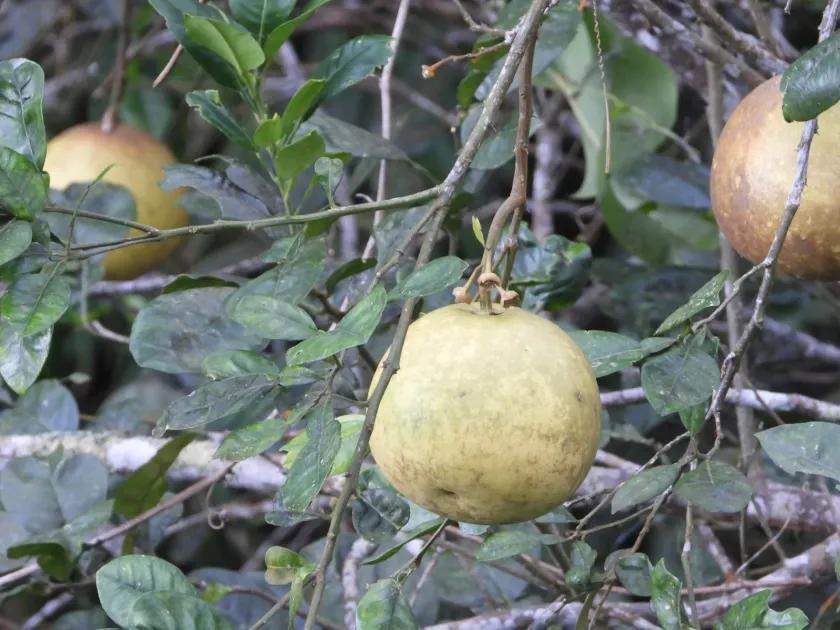
Description
Growing requirements
Pomelo (Citrus maxima) is a prominent member of the Rutaceae family. It is a subtropical evergreen tree known for its large fruit size and thick, protective rind.
The crop thrives in tropical and subtropical climates, requiring consistent temperatures ranging from 25°C to 30°C. Cold sensitivity is a major factor, as frost can cause severe damage to the tree structure.
Abundant sunlight is essential for the tree's physiological processes. Ideally, pomelo trees require at least 8 to 10 hours of bright, direct or slightly filtered sunlight daily to maintain vigor.
Soil management involves ensuring high fertility and optimal drainage. The plant prefers deep, loamy, and slightly acidic soils with a pH level between 5.5 and 6.5 for nutrient absorption.
Agrotechnical practices require consistent soil moisture levels. Drip irrigation is highly recommended in commercial orchards to provide precise water delivery and prevent root hypoxia.
Yield
Pomelo is commercially cultivated for its large, flavorful fruits. The fruit yield per tree increases significantly as the canopy matures, with full production capacity reached after several years.
Harvesting is typically performed by hand to ensure the structural integrity of the rind. The fruit is highly valued for its health benefits, including high vitamin C and mineral content.
In addition to fresh consumption, the pomelo is utilized in the food processing industry for juices, preserves, and the extraction of aromatic oils from the peel.
Market demand for pomelo remains high due to its long shelf life, which allows for extended transportation periods without compromising the organoleptic properties.
Ongoing research in pomelo cultivation focuses on selecting cultivars that are resistant to drought and have improved fruit sugar-to-acid ratios.
Main diseases and pests
Common agricultural pests include citrus aphids, scale insects, and spider mites. These pests can severely impact foliage and reduce overall fruit quality if left untreated.
Fungal diseases, including citrus canker and root rot, represent the most serious threats in areas with high precipitation or poor drainage management.
Integrated Pest Management (IPM) is essential for maintaining healthy orchards, utilizing both biological predators and targeted pesticide applications when necessary.
Proper pruning and thinning of the canopy help reduce humidity levels around the fruit and branches, significantly lowering the risk of fungal outbreaks.
Strict quarantine measures and regular nursery inspections are necessary to prevent the spread of viral diseases that can permanently damage citrus plantations.