
Temple Mandarin
Citrus nobilis x Citrus temple
Description
Growing requirements
Temple Mandarin (Citrus x temple) is a hybrid variety, likely originating from a cross between a mandarin and an orange. This evergreen tree belongs to the Rutaceae family and is highly valued for its superior culinary qualities.
The crop is heat-loving and has strict temperature requirements. The optimal growth temperature is between 22–28°C, and the plant is highly sensitive to frost, with temperatures below -3°C potentially proving fatal.
Successful cultivation requires fertile, well-draining soil with a pH level between 5.5 and 6.5. Waterlogging in the root zone must be strictly avoided, as it leads to rapid development of root rot diseases.
The plant requires intense sunlight throughout the day. In indoor or greenhouse conditions, supplemental lighting is highly recommended during the winter months to support physiological processes.
Agronomic management includes regular applications of NPK fertilizers during the active growth phase. Maintaining high humidity is beneficial, though watering should be limited during the colder seasons.
Yield
The yield of the Temple Mandarin depends on the age of the tree and the specific growing conditions. Mature trees in commercial orchards can produce between 100 and 150 kg of fruit per season.
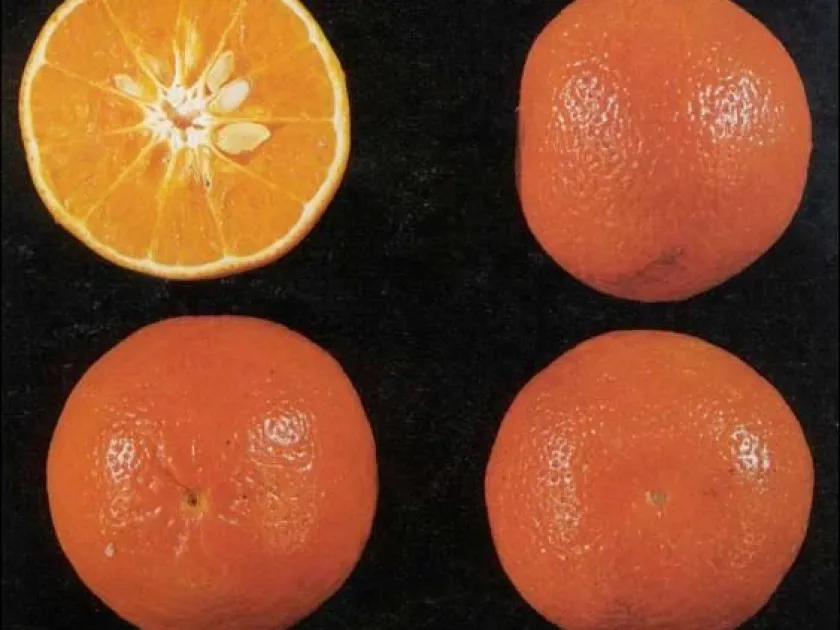
The fruit is characterized by a bright orange color, a firm rind, and a distinct sweet-tart flavor with spicy undertones. Seeds are present in moderate amounts, which is typical for this specific hybrid.
Alternate bearing may occur if the plant is undernourished, making a balanced micro-element fertilization program a crucial factor for ensuring consistent, annual harvests.
The fruits are well-suited for long-distance transport due to their durable rind structure, making this variety a commercially attractive option in suitable climates.
The fruit size is generally medium to large, placing them in the premium segment of the fresh citrus market.
Main diseases and pests
The primary pests affecting this crop include citrus scale and spider mites. These insects feed on leaf sap, which weakens the tree's overall vigor and diminishes fruit quality.
Among fungal diseases, gummosis is particularly dangerous, causing cracks in the trunk accompanied by gum exudation. Preventive measures include maintaining a proper irrigation schedule and avoiding bark damage.
Anthracnose frequently infects weakened plants in high-humidity environments with poor crown ventilation. Timely sanitary pruning is essential to minimize the risk of fungal spore propagation.
Mealybugs also pose a threat, often nesting in leaf axils. Management involves the use of systemic insecticides or oil-based treatments for effective control.
Routine monitoring of the foliage and trunk allows for rapid detection and intervention, stopping pest outbreaks before they reach critical levels.
Harvesting
Harvesting is performed at the stage of full technical maturity, when the fruits develop their characteristic bright orange hue and distinct aromatic profile.
Clippers should be used to remove the fruit, leaving a very short stem to avoid damaging the rind, which is critical for extending shelf life and quality.
It is essential to conduct the harvest in dry weather conditions. Wet fruits are susceptible to rapid deterioration and mold growth during storage.
After harvesting, the fruit should be graded and sorted by size and maturity to ensure uniform ripening and attractive packaging.
Storage temperatures should be maintained between 5–8°C with moderate humidity, allowing the mandarins to maintain their marketability for several weeks.