
Sunki mandarin
Citrus sunki (Hayata) hort. ex Tanaka
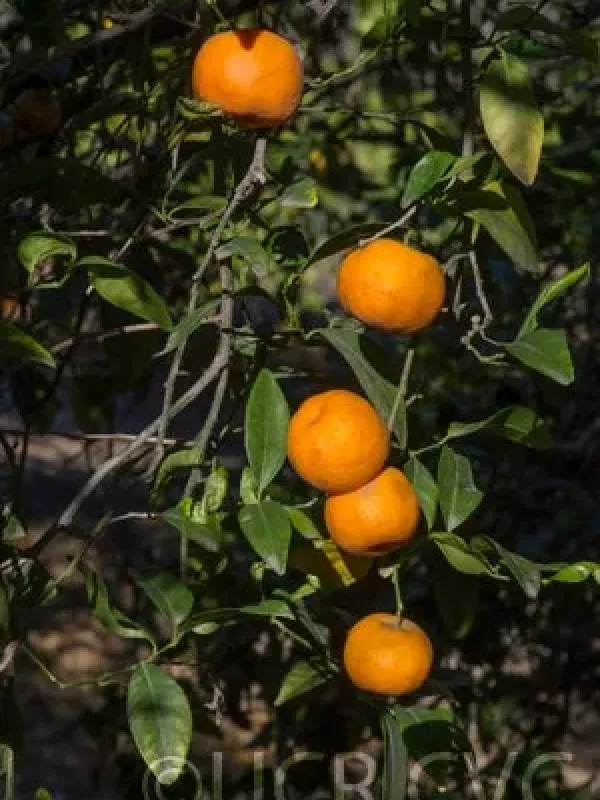
Description
Growing requirements
The Sunki mandarin (Citrus sunki) is a member of the Rutaceae family. Native to Southern China, it has gained international recognition in modern pomology primarily as a highly effective rootstock for various citrus varieties.
This species is exceptionally well-adapted to subtropical climates. Its most notable physiological feature is its remarkable tolerance to drought conditions compared to other citrus rootstocks, making it ideal for arid regions.
The botanical structure of the plant consists of a vigorous canopy and an extensive root system. This allows the tree to thrive in diverse soil types, including calcareous soils, which are often problematic for other citrus cultivars.
Cultivation requires well-drained soil to prevent root rot, which remains a risk in heavy, waterlogged clay. It performs best in regions with warm summers and mild winters where active root growth can be maintained.
In agricultural practice, the Sunki mandarin is favored by nurseries for its ability to produce uniform, high-quality seedlings that show excellent compatibility with commercial scions like Satsuma and other mandarins.
Main diseases and pests
A critical horticultural advantage of Citrus sunki is its high level of resistance to the Citrus Tristeza Virus (CTV). This disease resistance makes it a vital tool for farmers working in regions where this virus is prevalent.
Despite its robustness, the tree can be susceptible to common citrus pests such as mealybugs, aphids, and whiteflies. Proper monitoring is essential during the early stages of plant development in the nursery.
Fungal pathogens may emerge if the irrigation system is improperly managed, leading to canopy humidity levels that encourage mold or leaf spots. Maintaining open, ventilated crown structures helps mitigate these issues.
Soil-borne pathogens like Phytophthora are generally less problematic for this rootstock compared to others, provided the drainage is adequate and soil pH is kept within the recommended range.
Regular agricultural inspections and the implementation of cultural practices, such as clearing debris from around the trunk base, remain the best defense against long-term pest and disease outbreaks.