
Tamurana
Citrus tamurana hort. ex Tanaka
Description
Growing requirements
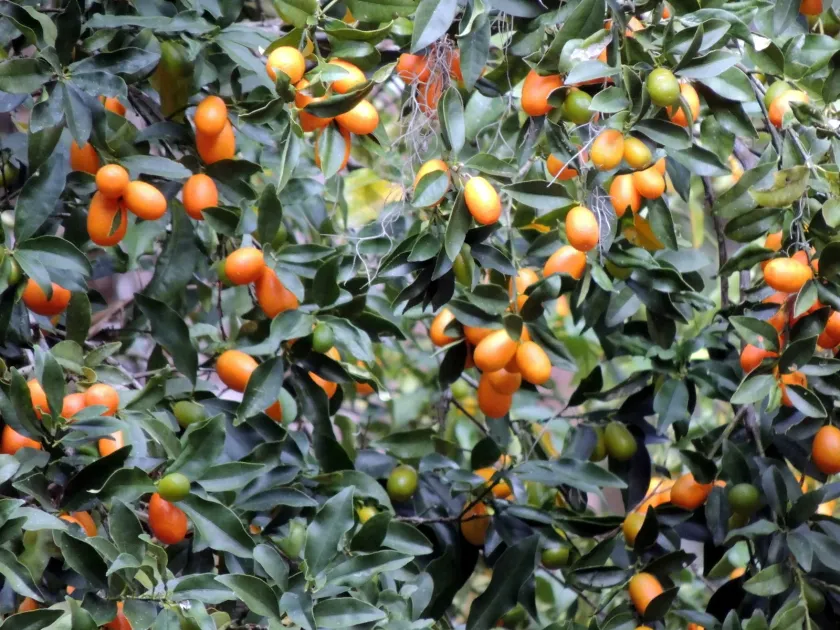
Tamurana (Citrus tamurana) is a botanical member of the Rutaceae family, native to the Amami Islands of Japan. This rare citrus variety is known for its unique flavor profile and botanical structure, closely related to other traditional Japanese citrus fruits. It typically grows as a dense, evergreen tree suited to specific subtropical microclimates.
The climate requirements for Tamurana focus on stable, warm temperatures and protection from freezing. It thrives in regions where the temperature does not drop below 5°C. Ideally, the plant requires a long growing season with high humidity to produce high-quality fruit, making it an excellent candidate for protected greenhouse cultivation in less favorable zones.
The soil must be well-drained and slightly acidic, with an optimal pH range of 6.0 to 6.5. Compacted soils should be amended with organic matter to improve aeration. Since Citrus tamurana is sensitive to waterlogged roots, it is crucial to establish a raised planting site or a container with high-quality drainage material to prevent root decay.
Agricultural management of Tamurana involves a consistent fertilization schedule emphasizing nitrogen during spring growth and potassium prior to fruit set. Pruning is essential for maintaining a balanced canopy and ensuring that sunlight reaches the inner fruit-bearing branches. Proper spacing is required to maintain airflow, which is critical for disease control.
Economically, Tamurana is cultivated for niche culinary markets where its distinctive taste is prized for fresh consumption and processing. It is frequently featured in local Japanese gastronomy. Beyond its direct use as a food crop, it serves as a genetic resource for research aimed at identifying disease-resistant traits in the Rutaceae family.
Main diseases and pests
Common pests affecting Tamurana include citrus scale insects and aphids, which attach to young foliage and branches to sap nutrients. These pests not only weaken the tree but also excrete honeydew, which promotes the growth of sooty mold. Integrated Pest Management (IPM) strategies, including biological control agents, are recommended for long-term health.
Fungal diseases, specifically anthracnose and citrus melanose, pose a significant risk to fruit quality and leaf health during rainy seasons. Proactive measures such as regular monitoring, application of copper-based fungicides if necessary, and careful removal of dead wood help maintain plant vigor. Ensuring sufficient air circulation remains the primary defense against foliage fungi.