
Yamabuki
Citrus yamabuki hort. ex Yu. Tanaka
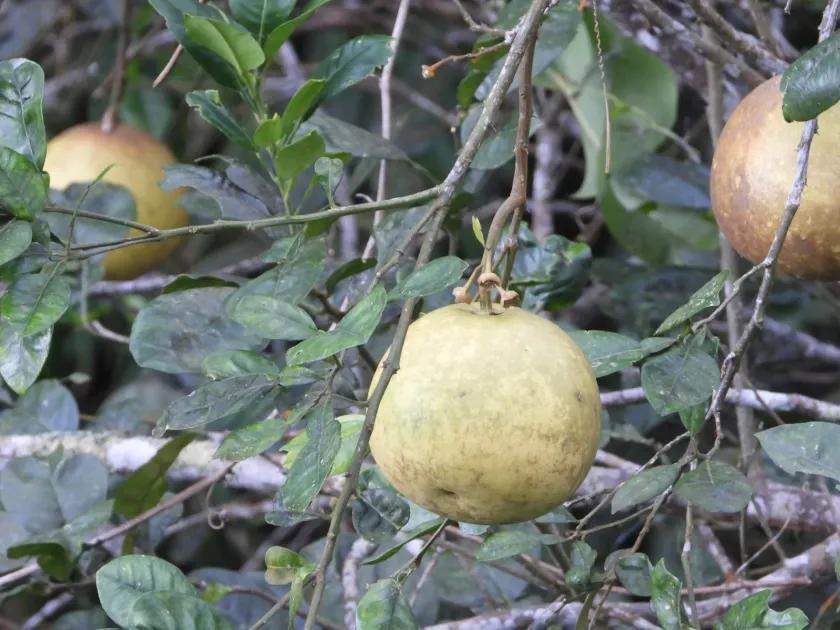
Description
Growing requirements
Yamabuki (Citrus yamabuki hort. ex Yu. Tanaka) is a citrus plant species belonging to the family Rutaceae. This crop is a result of Japanese breeding and represents a hybrid type historically cultivated in East Asian regions with a mild subtropical climate.
The plant prefers well-drained, fertile loamy soils with a neutral or slightly acidic pH. An important factor for successful growth is a high level of root system aeration and protection against waterlogging, which is detrimental to this species.
Optimal temperature indices for the active vegetation of Citrus yamabuki range from +18°C to +28°C. The crop is sensitive to sudden temperature drops and freezing conditions, making it suitable for greenhouse cultivation or container gardening in northern latitudes.
Normal development requires intense lighting, although direct midday sunlight in hot climates can cause leaf blade burns. Diffused light and high air humidity are recommended, especially during the flowering and fruit-setting stages.
Agronomic practices include regular but moderate watering, the use of complex fertilizers high in nitrogen during the growth phase, and potassium-phosphorus compositions when preparing for the winter period and fruiting.
Main diseases and pests
Typical pests affecting Yamabuki include various species of scale insects, spider mites, and citrus aphids. Control involves both mechanical cleaning methods and the use of specialized insecticides and acaricides.
Among fungal diseases, gummosis is the most dangerous, occurring when watering rules are violated or the bark is damaged. Prevention consists of maintaining soil hygiene and disinfecting pruning tools.
Anthracnose frequently attacks young shoots and leaves, appearing as brown spots. This is resolved by removing affected plant parts and applying copper-based fungicidal preparations in accordance with established regulations.
Root rot, caused by pathogenic fungi (such as Phytophthora), is a critical threat to the crop. The development of the disease is triggered by substrate waterlogging, making humidity control the primary preventive measure.
Viral diseases, such as citrus tristeza, require strict control over planting material quality. Using certified seedlings and controlling insect vectors are the only effective methods of protection.