
Tangor
Hybrids between Citrus reticulata Blanco and Citrus sinensis (L.) Osbeck
Description
Growing requirements
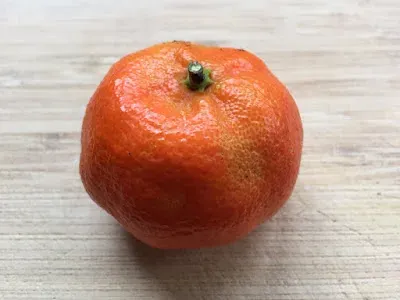
The tangor is a hybrid citrus fruit resulting from a cross between the mandarin orange Citrus reticulata and the sweet orange Citrus sinensis. It belongs to the Rutaceae family and is widely appreciated for its easy-to-peel skin and a rich, sweet-tart flavor profile that surpasses many traditional mandarin varieties.
Cultivation of tangors is primarily restricted to subtropical and tropical zones, as the trees require long periods of warmth to reach maturity. They are highly susceptible to frost, making the selection of a sheltered site with adequate sunlight crucial for successful commercial production.
Soil requirements for tangors include well-draining, nutrient-rich soil with a pH ranging from 5.5 to 6.5. Because the root systems are sensitive to poor drainage, they perform best in sandy loam soils where water logging is avoided, which prevents potential root diseases and suffocation of the roots.
Proper agronomic management involves regular drip irrigation and precision fertilization programs. Nitrogen applications are prioritized during the spring flush, whereas potassium and micronutrients such as zinc and manganese are essential during the fruit-sizing stage to ensure high sugar content and proper color development.
Tree architecture is managed through selective pruning to maintain a manageable height and an open canopy. This practice not only facilitates efficient harvesting but also improves airflow within the tree, which is vital for reducing humidity levels and preventing the onset of various fungal infections.
Main diseases and pests
Disease management in tangors is complex due to the tree's susceptibility to several systemic citrus diseases. Citrus tristeza virus remains a significant threat, often requiring the use of resistant rootstocks during the establishment phase of an orchard to minimize losses.
Pests such as citrus aphids and scale insects are common. These insects extract sap from tender shoots, causing stunted growth and leaf curling. Furthermore, they produce honeydew, which promotes the growth of sooty mold, negatively affecting the aesthetic quality and commercial value of the fruit.
Fruit flies are a major concern, as they lay eggs inside the ripening fruit, leading to internal decay and complete crop loss if left untreated. Integrated pest management, including the use of bait sprays and monitoring traps, is standard practice in modern citrus orchards.
Fungal diseases like greasy spot and melanose occur frequently in high-humidity environments. These conditions necessitate preventative fungicide sprays, particularly during the rainy season, to protect the foliage and developing fruits from permanent scarring.
Soil-borne pathogens like Phytophthora are managed through meticulous water management and the avoidance of deep cultivation near the trunk. Maintaining orchard hygiene by removing dropped fruit and infected branches significantly reduces the inoculum pressure for the next growing season.