
Citrus pennivesiculata
Citrus pennivesiculata
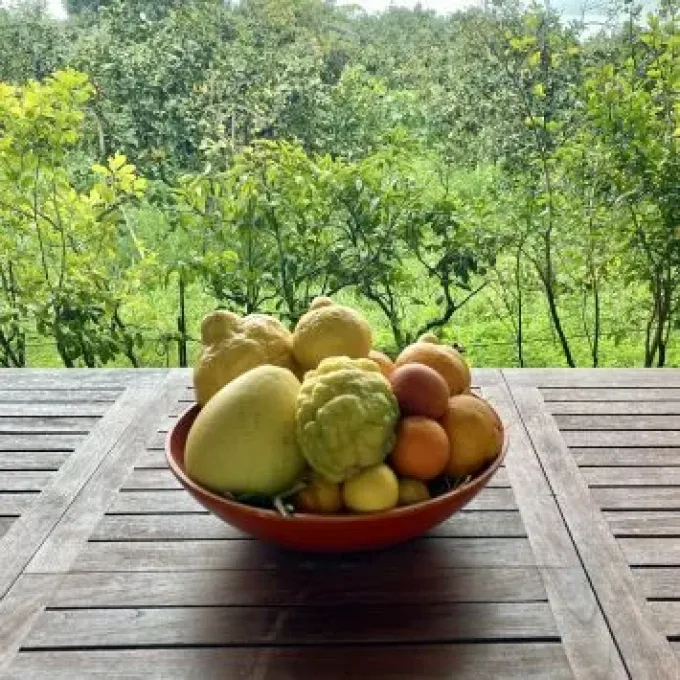
Description
Growing requirements
Citrus pennivesiculata is a member of the Rutaceae family, native to the tropical regions of Southeast Asia. This evergreen tree is characterized by its specific foliage and fruit morphology, requiring tropical or subtropical conditions to thrive. It performs best in areas where temperatures remain consistently warm throughout the year.
The cultivation of this species requires well-drained, nutrient-rich soils. The plant is particularly sensitive to waterlogging, which can cause significant root damage. Incorporating organic matter into the soil helps improve structural integrity and fertility, ensuring the tree receives the necessary nutrients for healthy growth and fruit development.
Regarding climate, Citrus pennivesiculata requires high humidity and protection from harsh, drying winds. It flourishes in locations that provide plenty of bright, indirect sunlight. In managed environments, such as greenhouses, maintaining a stable temperature range is essential to prevent physiological stress, which could lead to leaf drop.
Effective agricultural management involves consistent irrigation and a balanced fertilization program. During the peak growing season, the tree benefits from supplemental nutrients, particularly nitrogen for leaf development and potassium to support the metabolic processes necessary for fruit maturation and quality.
The primary utility of Citrus pennivesiculata lies in its fruit, which is utilized in various culinary applications and as a source of germplasm for citrus breeding programs. Due to its aesthetic appeal, it is also highly regarded as an ornamental specimen in conservatories and botanical collections.
Main diseases and pests
Common pests affecting Citrus pennivesiculata include spider mites, aphids, and scale insects. These pests often congregate on the underside of leaves or on succulent new growth, potentially causing chlorosis or stunted development. Integrated pest management, including biological controls or targeted sprays, is recommended for mitigation.
Fungal diseases such as greasy spot or citrus canker can pose a threat, especially in humid and stagnant air conditions. Maintaining a clean orchard, practicing proper pruning to allow airflow, and utilizing appropriate copper-based fungicides are standard practices to prevent and manage the spread of these pathogens.