
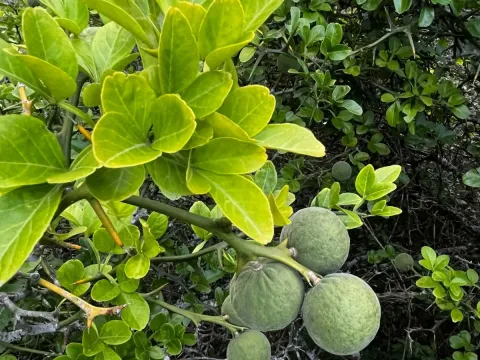
Citroncirus
Citroncirus
Citroncirus is an intergeneric hybrid resulting from the crossbreeding of species from the Citrus genus and the Poncirus (trifoliate orange) genus. It belongs to the Rutaceae family and is primarily cultivated for its exceptional utility as a cold-hardy rootstock in citrus production.
What the section contains


Citroncirus
The plant demonstrates significant biological resilience, inheriting frost tolerance from its Poncirus parentage. This allows it to serve as a vital component in citrus orchards located in subtropical or temperate climates where temperatures frequently drop below freezing.
Regarding soil requirements, Citroncirus thrives in well-drained, fertile soil. It exhibits high sensitivity to waterlogging, necessitating excellent drainage systems to prevent the development of root diseases, which are common in heavy, clay-rich substrates.
Climatic conditions play a crucial role in its growth. The tree prefers open, sunny environments with protection from strong, desiccating winds. It undergoes a necessary period of winter dormancy, which is essential for healthy vegetative development in the following spring.
Standard agrotechnical practices for Citroncirus involve balanced mineral fertilization, with emphasis on nitrogen during the active growth phase and potassium for hardening tissues before winter. Proper pruning is also required to maintain a balanced canopy structure.
Citroncirus is susceptible to common citrus pests, including aphids, whiteflies, and scale insects. These pests can severely weaken the plant by sap-sucking, leading to stunted growth and providing entry points for secondary viral or fungal infections.
Fungal pathogens such as Phytophthora are major threats to the root system, especially in soils with poor drainage. Once established, these infections are difficult to eradicate, emphasizing the importance of preventive measures and careful site selection.
Leaf spot diseases, often induced by humid and stagnant air conditions, can cause premature defoliation. Ensuring proper spacing between trees and maintaining adequate air circulation through regular pruning significantly reduces disease incidence.
Integrated Pest Management (IPM) is the most effective approach for Citroncirus protection. This includes physical barriers, beneficial predator encouragement, and the judicious use of selective chemical treatments only when pest thresholds are exceeded.
Regular inspection of the root collar and bark is essential, as early detection of fungal lesions or insect galleries allows for local intervention before the plant's overall health is compromised.