
Casimiroa tetrameria
Casimiroa tetrameria
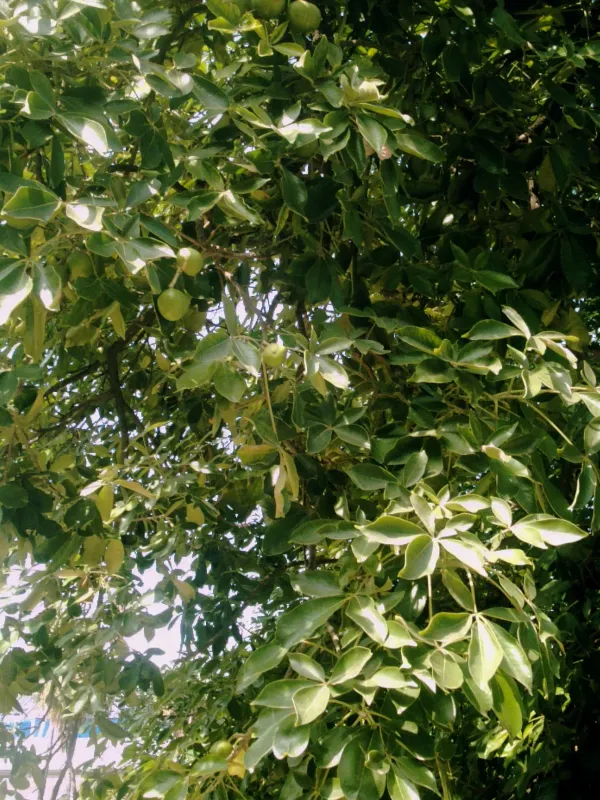
Description
Sowing dates
Propagation of Casimiroa tetrameria is primarily achieved through seeds or vegetative methods like grafting onto suitable rootstocks. Seeds must be planted immediately after extraction from the fruit, as they rapidly lose viability if allowed to dry out.
The ideal sowing time is at the beginning of the rainy season, when high humidity promotes germination. In controlled greenhouse environments, maintaining soil temperatures between 22 and 25 degrees Celsius is essential for uniform and healthy seedling development.
Young plants develop deep taproots, necessitating the use of deep containers during the initial nursery phase. Careful handling during transplanting is crucial to prevent root damage, which can lead to stunted growth or transplant shock in the field.
Seedlings require partial shade during their first months to protect them from intense direct sunlight, which can scorch tender foliage. A gradual hardening-off process is recommended before the trees are finally planted in their permanent orchard location.
Orchard layout requires significant spacing, usually 6 to 8 meters apart, to accommodate the tree's natural canopy expansion. This spacing ensures adequate airflow and light penetration, both of which are vital for reducing humidity levels and disease pressure.
Growing requirements
Belonging to the Rutaceae family, Casimiroa tetrameria thrives in tropical and subtropical climates. It requires consistent warmth and protection from severe frosts, which can cause terminal damage to the branches and foliage of younger trees.
The species prefers deep, fertile, and well-drained loam soils. Soil aeration is critical; waterlogged conditions are extremely detrimental and frequently lead to root decay, so selecting sites with excellent natural drainage is a fundamental requirement.
While established trees exhibit some drought tolerance, regular irrigation is essential for optimal growth and fruit development. Water stress during the flowering and fruit-setting phases can lead to significant fruit drop and reduced harvest quality.
Sunlight is a primary driver of productivity. Trees must be planted in full sun locations to maximize photosynthesis. In shaded areas, the canopy becomes sparse, and the tree may fail to set a productive amount of fruit.
Protection from high winds is necessary because the branches of this species are relatively brittle. Windbreaks not only protect the tree structure but also create a more favorable microclimate for the bees and other insects responsible for pollination.
Yield
The time to reach fruit-bearing age varies based on the propagation method. Grafted trees typically begin to fruit within 3 to 4 years, whereas seedlings may require 7 to 10 years. Maximum yield potential is reached in mature trees aged 15 years and older.
The fruit is prized for its sweet, creamy flesh, which has a distinct flavor profile often compared to a blend of peach and banana. The skin is thin and soft, making the fruit attractive but requiring careful handling during the post-harvest process.
A single mature, well-maintained tree can produce several hundred fruits per season. Yield success is heavily dependent on the presence of efficient pollinators during the bloom, highlighting the importance of integrated orchard ecosystem management.
Fruit maturation is asynchronous, meaning that harvest occurs over several weeks rather than all at once. This requires consistent monitoring of the orchard to ensure that fruits are picked at their peak level of maturity for the best flavor.
Selective thinning of developing fruit is a common practice among professional growers. By removing damaged or malformed fruit early in the season, the tree's energy is concentrated on producing fewer, but higher quality, larger fruits for the market.
Main diseases and pests
Scale insects and mealybugs are the most common pests affecting this tree, feeding on sap from leaves and young stems. Integrated pest management, including the use of horticultural oils or biological controls, is preferred over broad-spectrum insecticides.
Fungal diseases, including leaf spots and anthracnose, can become problematic in high-humidity conditions. Regular canopy pruning is essential to improve airflow, which keeps leaf surfaces drier and naturally suppresses the spread of fungal spores.
Fruit flies pose a significant threat, as they lay eggs in maturing fruit, leading to rot and complete crop loss. Protecting fruit by covering it with paper bags is a highly effective, non-chemical method used by many small-scale producers.
Nutrient deficiencies, specifically iron or zinc, may manifest as leaf chlorosis. Regular soil testing and the application of chelated micronutrient sprays allow for quick correction, keeping the tree vigorous and better able to resist infections.
Root rot caused by Phytophthora species is a serious concern in poorly drained soils. Management strategies focus on strict irrigation control and ensuring that no standing water remains around the base of the trunk or root zone.
Harvesting
Harvesting is labor-intensive and must be done by hand to avoid bruising. Because the flesh is soft when ripe, even minor drops can cause significant damage, rendering the fruit unsellable for high-end markets.
Determining the correct harvest timing is a skill based on subtle changes in fruit color and tactile firmness. Field staff must be trained to recognize the stage where the fruit is mature but not yet over-ripe for transport.
Post-harvest logistics are challenging due to the fruit's short shelf life. Produce must be transported in padded containers with minimal stacking to prevent pressure marks, and it should reach the consumer or processing point within a few days of picking.
Post-harvest care includes light pruning and fertilizer application to help the tree recover and prepare for the next reproductive cycle. This maintenance is crucial for sustaining high yields over the long lifespan of the tree.
The fruit is used fresh, in desserts, smoothies, and preserves. Its nutritional value and unique culinary properties make it a high-value crop for tropical orchardists looking to diversify their product portfolio with high-demand exotic items.