
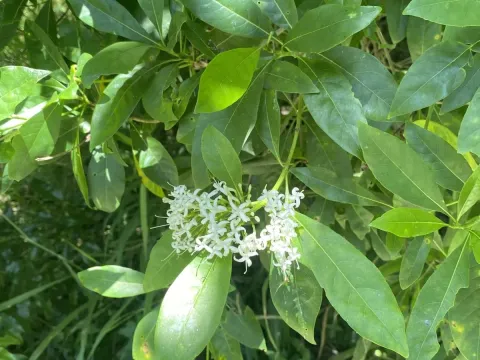
Pavetta
Pavetta
Pavetta is a genus of flowering plants belonging to the Rubiaceae family, comprising several species of evergreen shrubs and small trees. Originating from the tropical regions of Africa and Asia, these plants are well-adapted to humid, shaded environments.
What the section contains
 Cape wedding bush
Pavetta capensis
Cape wedding bush
Pavetta capensis
 Indian pavetta
Pavetta indica
Mountain Pavetta
Pavetta montana
Indian pavetta
Pavetta indica
Mountain Pavetta
Pavetta montana
 Pavetta blanda
Pavetta bowkeri
Pavetta bowkeri
Pavetta blanda
Pavetta blanda
Pavetta bowkeri
Pavetta bowkeri
 Pavetta catophylla
Pavetta cinereifolia
Pavetta cinereifolia
Pavetta corymbosa
Pavetta corymbosa
Pavetta crassipes
Pavetta crassipes
Pavetta catophylla
Pavetta catophylla
Pavetta cinereifolia
Pavetta cinereifolia
Pavetta corymbosa
Pavetta corymbosa
Pavetta crassipes
Pavetta crassipes
 Pavetta edentula
Pavetta edentula
Pavetta edentula
 Pavetta eylesia
Pavetta eylesia
Pavetta eylesia
 Pavetta gardeniifolia
Pavetta gardeniifolia
Pavetta gardeniifolia
 Pavetta gleniei
Pavetta gleniei
Pavetta gleniei
 Pavetta gracilifolia
Pavetta gracilifolia
Pavetta gracilifolia
 Pavetta harborii
Pavetta harborii
Pavetta harborii
 Pavetta lanceolata
Pavetta longiflora
Pavetta longiflora
Pavetta oblongifolia
Pavetta oblongifolia
Pavetta lanceolata
Pavetta lanceolata
Pavetta longiflora
Pavetta longiflora
Pavetta oblongifolia
Pavetta oblongifolia
 Pavetta revoluta
Pavetta revoluta
Pavetta revoluta
 Pavetta schumanniana
Pavetta subcana
Pavetta subcana
Pavetta trichardtensis
Pavetta trichardtensis
Pavetta schumanniana
Pavetta schumanniana
Pavetta subcana
Pavetta subcana
Pavetta trichardtensis
Pavetta trichardtensis
 Pavetta zeyheri
Pavetta zeyheri
Pavetta zeyheri
Pavetta
The climate requirements for Pavetta are strictly tropical, necessitating stable temperatures between 20 and 26 degrees Celsius. Given its sensitivity to frost, commercial cultivation in temperate climates is limited to greenhouses, conservatories, or as container plants.
Soil management for Pavetta involves providing a well-draining, humus-rich substrate with a slightly acidic pH. Incorporating organic matter such as peat or leaf mold ensures the necessary moisture retention while preventing root rot caused by stagnant water.
Regarding lighting, Pavetta requires bright but indirect sunlight to thrive. Excessive exposure to direct sunlight can damage the leaves, causing leaf scorch and reducing the overall aesthetic quality of the crop.
Watering needs must be carefully balanced: the growing medium should be kept consistently moist but never waterlogged. During the growing season, regular irrigation combined with high humidity levels is crucial for optimal foliage development.
Scale insects and mealybugs are the most frequent pests affecting Pavetta, often clustering on the undersides of leaves and along the stems. Integrated pest management, including the use of horticultural oils, is highly recommended.
Root rot, primarily caused by Phytophthora species, is a significant threat under poor drainage conditions. Ensuring proper drainage and avoiding over-irrigation are the primary cultural methods to prevent these soil-borne pathogens.
Spider mites pose a threat in environments with low relative humidity. Preventive measures include regular misting and maintaining proper air circulation around the plants to discourage mite colonization.
Leaf spot diseases, often fungal in origin, may appear during periods of high humidity and poor ventilation. Prompt removal of infected leaves and the application of appropriate systemic fungicides can effectively contain the spread.
Nutrient deficiencies, particularly iron chlorosis, frequently occur if the substrate pH is too high or if the water quality is suboptimal. Regular soil testing and the application of chelated micronutrients are essential for healthy leaf color.