
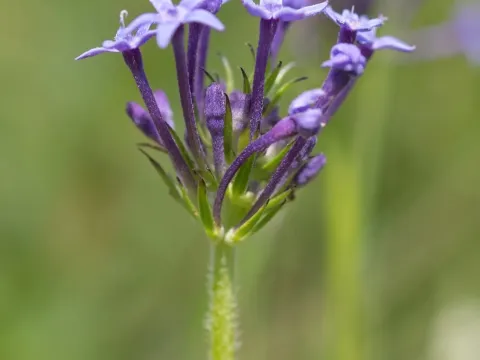
Pentanisia
Pentanisia
The propagation of Pentanisia, particularly species like Pentanisia prunelloides, is primarily achieved through seed germination.
What the section contains

Pentanisia
Seeds should be collected once they are fully mature and sown into a well-draining, sandy loam medium to ensure healthy root development.
In greenhouse settings, providing consistent bottom heat can significantly improve the percentage of successful germination during early stages.
The sowing depth should be minimal, as the small seeds of this genus require light exposure to trigger the germination process effectively.
Division of the tuberous rootstocks is an alternative method used by commercial growers to produce consistent clones of high-quality plants.
Pentanisia thrives in sunny environments, making it well-suited for open meadow conditions or areas with high light intensity.
The soil must have an excellent drainage profile; heavy clay soils should be amended with organic matter or grit to prevent waterlogging.
This genus is noted for its moderate drought tolerance, which is facilitated by the thickened root structures that store essential moisture.
While the plant is hardy in its native range, it requires protection from frost and freezing temperatures in temperate cultivation regions.
Maintaining a soil pH within the neutral to slightly acidic range is optimal for maximizing nutrient uptake and plant vigour.
The primary economic focus of Pentanisia cultivation is the harvest of roots, which are valued for their specific chemical constituents.
Yield capacity tends to peak after the plant has established a robust root system, typically starting from the third year of active growth.
Sustainable harvesting practices are essential, involving the careful extraction of a portion of the rootstock to ensure plant regeneration.
Post-harvest processing involves cleaning, slicing, and drying the material at controlled temperatures to preserve therapeutic compounds.
Yield quality is determined by the environmental conditions during the growth cycle and the precision of the drying process employed.
The main threats to Pentanisia health are fungal diseases, which are often exacerbated by poor air circulation and excessive soil moisture.
Root rot is the most common pathology, and it can quickly diminish the viability of the entire crop if not addressed promptly.
Insects like aphids or mites may affect the foliage during the warmer months, necessitating integrated pest management strategies.
Preventative measures, such as providing adequate space between plants and avoiding overhead irrigation, are critical for disease prevention.
Regular monitoring of the root zone and the lower canopy allows for early detection of potential threats before they become widespread.
The harvest season for Pentanisia typically aligns with the plant's dormancy period when the energy is stored in the roots.
Manual digging is the preferred method to prevent damage to the delicate root tissues, ensuring that the harvested product remains intact.
Immediately following the extraction, roots are washed to remove residual soil and debris before they are processed for storage.
Controlled air-drying is recommended to remove moisture effectively without degrading the structural integrity of the plant material.
Proper packaging in ventilated containers helps maintain the shelf life of the harvested roots by preventing mold growth and moisture absorption.