
Pavetta schumanniana
Pavetta schumanniana
Description
Growing requirements
Pavetta schumanniana is a distinct perennial plant belonging to the Rubiaceae family, commonly recognized for its evergreen foliage and aromatic inflorescences. This shrub or small tree exhibits typical morphological traits of its genus, which thrives in tropical landscapes.
Originating from parts of Africa, the species is adapted to habitats that receive consistent warmth and moderate moisture throughout the year. It performs best in environments where temperatures remain above the frost threshold, making it a suitable candidate for greenhouse cultivation in temperate zones.
Soil requirements for this species are specific: it prefers well-draining, nutrient-rich substrates that mimic the natural organic floor of its native habitats. Proper aeration of the root system is essential to prevent physiological disorders related to suffocation or decay.
Climatic management is key to successful development; the plant demands high humidity levels and indirect lighting. Direct sunlight is often too intense, potentially causing leaf scorch, thus, filtered light is the optimal solution for maintaining aesthetic quality.
The agronomic practice involves consistent moisture management, ensuring the substrate remains evenly damp but never waterlogged. Seasonal pruning is also recommended to maintain a compact, bushy habit, which enhances both the structural integrity and the ornamental yield of the plant.
Main diseases and pests
The most common threats to Pavetta schumanniana include scale insects and spider mites, which are particularly prevalent in climate-controlled environments. These pests can rapidly affect plant vigor if their populations remain unchecked.
Root rot, a significant fungal threat, usually stems from excessive watering or poor drainage capacity. Once established, this pathogen is difficult to eradicate, emphasizing the importance of preventative measures during the irrigation process.
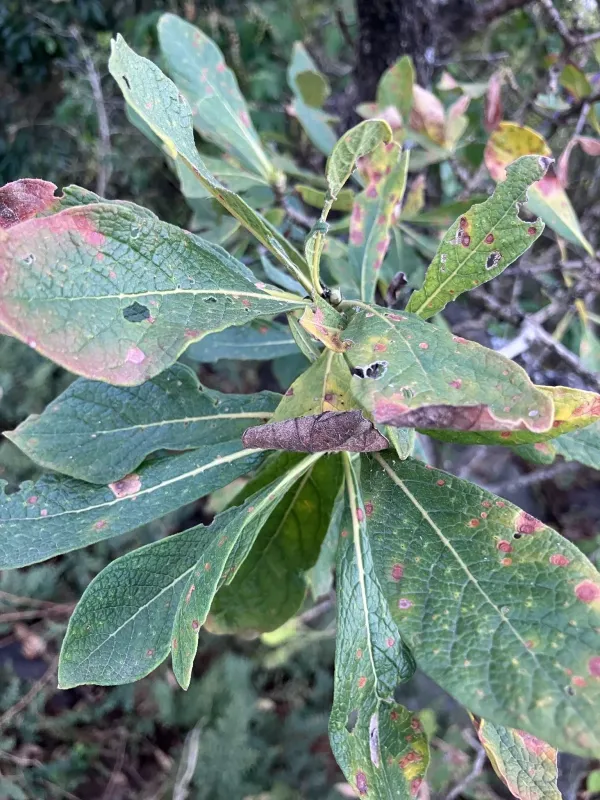
Leaf spot diseases may occur if the foliage remains wet for extended periods without adequate air circulation. Increasing airflow within the growing space is the most effective cultural method to prevent fungal proliferation.
Nutritional deficiencies, specifically iron chlorosis, can cause yellowing between veins, often triggered by an incorrect soil pH. Maintaining a slightly acidic environment helps ensure the availability of essential micronutrients for the plant.
Comprehensive pest management programs, incorporating both biological controls and targeted chemical treatments when necessary, are essential for maintaining the health of this species in ornamental horticulture.