
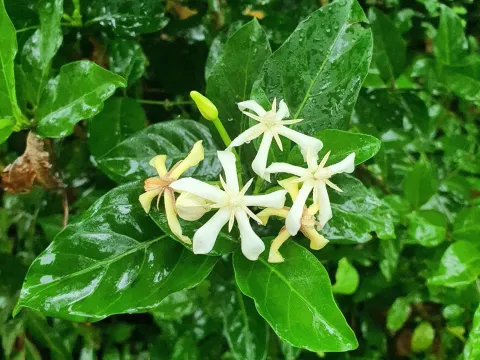
Oxyceros
Oxyceros
Oxyceros is a genus belonging to the Rubiaceae family. These plants are typically woody vines or shrubs natively found in the tropical and subtropical regions of Southeast Asia.
What the section contains


Oxyceros
The plant thrives in well-drained, fertile soils that are rich in organic matter. Maintaining high atmospheric humidity, mirroring their natural rainforest habitat, is crucial for successful development.
Consistent warm temperatures without sharp fluctuations are required for healthy growth. In their native range, temperatures generally remain above 18-20 degrees Celsius throughout the growing season.
Bright, filtered light is essential, as direct midday sunlight can scorch the foliage. Using shade cloth or growing the plant under the canopy of larger trees is an effective management strategy.
In both commercial and collection settings, Oxyceros requires regular watering with soft water, especially during active growth periods. Poor drainage leading to waterlogged roots is a major physiological risk.
The primary threats to Oxyceros include common pests of tropical Rubiaceae, specifically spider mites and scale insects which can quickly infest the foliage.
Under greenhouse conditions with stagnant air, the plant may suffer from various fungal infections, often manifesting as leaf spots or stem lesions.
Root rot is the most significant pathological threat, usually triggered by improper irrigation schedules or the use of dense, poorly aerated potting media.
Proactive management includes regular monitoring of the underside of leaves and routine sanitary pruning to remove weak or dead stems that could harbor pathogens.
Biological insecticides are recommended for pest control to minimize chemical stress on the plant, especially in controlled environments or indoor collections.