
Pavetta catophylla
Pavetta catophylla
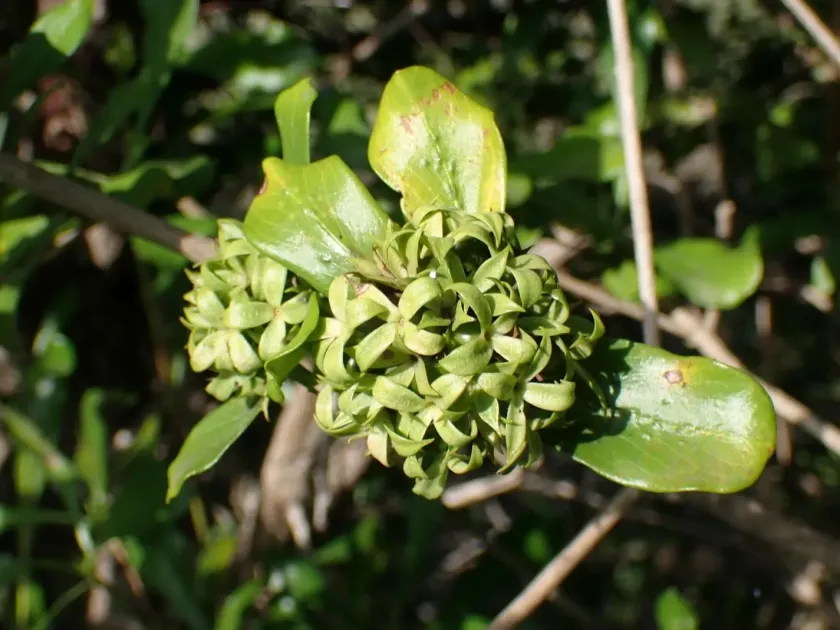
Description
Growing requirements
Pavetta catophylla is a member of the Rubiaceae family, native to tropical Africa. This species typically grows as an understory shrub or small tree, which informs its biological preference for filtered sunlight and stable tropical environmental conditions.
The cultivation of this plant requires high levels of ambient humidity and constant warm temperatures throughout the year. It does not tolerate frost and must be protected from direct, harsh sunlight to prevent leaf scorch and dehydration.
For optimal growth, the soil must be well-draining, loose, and rich in organic matter. A slightly acidic to neutral pH level is ideal for nutrient absorption. Waterlogging is the primary cause of root failure and must be avoided through careful drainage design.
Management practices focus on consistent moisture levels without allowing the root zone to remain saturated. Regular fertilization using balanced, slow-release formulas during the growing season is essential to sustain healthy development and foliage production.
Pruning is a necessary maintenance step to maintain shape and encourage dense branching. The plant is known for its bacterial leaf nodules, which are a normal physiological feature of the genus and should not be mistaken for symptoms of disease or parasitic infestation.
Main diseases and pests
Spider mites are a major threat, particularly in environments with low air humidity. These pests thrive in dry conditions and can cause significant damage to the leaf structure if not managed with regular misting or targeted insecticidal soaps.
Root rot is the most serious disease risk, commonly triggered by overwatering or poor drainage systems. It is vital to check that the potting mix or soil surface dries slightly between irrigation cycles to keep the root system oxygenated.
Mealybugs can manifest on the stems and leaf axils, sucking the plant's sap and weakening it. Manual removal and the use of systemic insecticides are standard methods for controlling these infestations in a greenhouse or garden setting.
Fungal infections of the foliage can occur if there is insufficient air circulation around the shrub's crown. Providing adequate space and proper ventilation significantly reduces the likelihood of powdery mildew or other leaf spots.
Nutrient deficiencies, specifically chlorosis, are common if the soil pH is not maintained or if micronutrients are depleted. Regular soil testing and adjustments to fertilization schedules help prevent yellowing and leaf drop.