
Pavetta gleniei
Pavetta gleniei
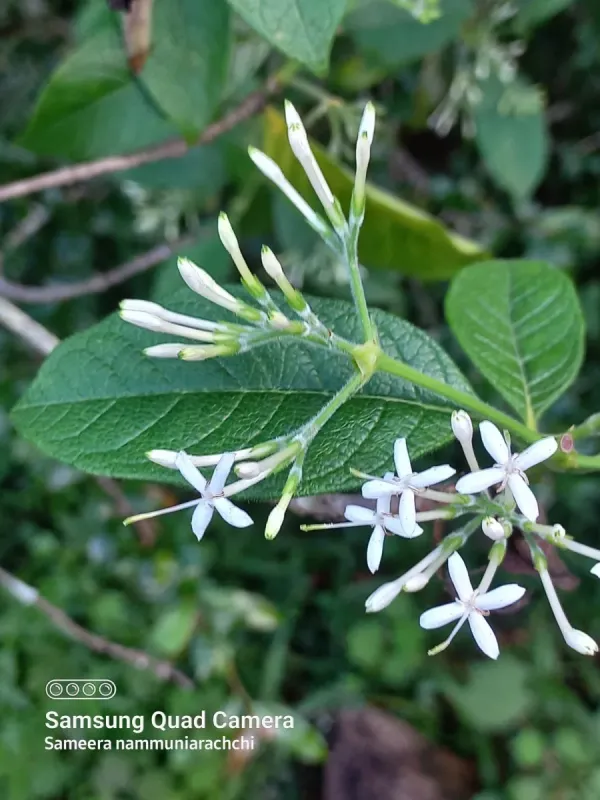
Description
Growing requirements
Pavetta gleniei is a rare flowering shrub belonging to the Rubiaceae family, native specifically to the island of Sri Lanka. It is a highly specialized plant that requires precise environmental conditions to thrive outside its natural tropical habitat.
Botanically, it is recognized by its dense, evergreen foliage and the presence of bacterial nodules within its leaves, a feature commonly found in this genus that assists in nitrogen fixation.
In terms of agricultural requirements, this crop demands high ambient humidity and protection from direct, intense sunlight, which mimics the environment of a tropical forest floor.
The substrate must be highly porous and rich in organic matter. A well-balanced mix of compost, sand, and coconut coir ensures optimal drainage, preventing the sensitive root system from rot.
Consistent temperatures are vital for this species. It does not tolerate thermal fluctuations well and should be kept in a stable environment where temperatures remain between 22°C and 28°C throughout the year.
Main diseases and pests
Spider mites are the most common pest for Pavetta gleniei, especially in indoor environments where the air is frequently dry and lacks sufficient movement.
Mealybugs can also infest the plant, hiding in the leaf axils and stems; if not addressed early, these pests can cause significant stunting and premature leaf drop.
Root rot, primarily caused by waterlogged soil and poor aeration, remains the leading cause of mortality in greenhouse cultivation, necessitating strict adherence to watering protocols.
Fungal leaf spot diseases may appear if the foliage stays wet for too long without adequate airflow, emphasizing the importance of proper ventilation in the growing area.
Integrated pest management, including regular inspection and the use of insecticidal soaps, is recommended to keep the plant healthy and maintain its decorative value.