
Pavetta edentula
Pavetta edentula
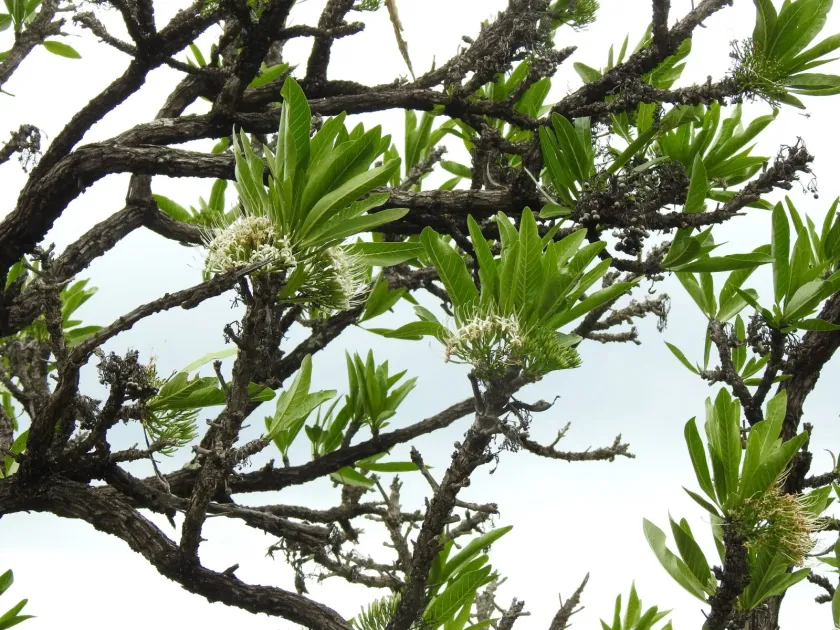
Description
Growing requirements
Pavetta edentula is a woody shrub belonging to the Rubiaceae family, native to the tropical ecosystems of Africa. Known for its specific biological requirements, this plant thrives in warm, humid climates where it can develop its characteristic canopy in the understory of forest environments.
The cultural conditions demand a strictly maintained temperature range between 20°C and 28°C. Being a tropical species, it does not possess any frost tolerance, necessitating indoor cultivation or controlled greenhouse environments in temperate regions to avoid permanent cellular damage.
Soil requirements focus on high organic matter content, excellent aeration, and moderate acidity. A well-draining substrate is vital to support the plant's delicate root structure, which is prone to suffocation if the growing medium is overly compacted or waterlogged for extended periods.
Light management is a critical factor in successful cultivation. While Pavetta edentula requires significant light to sustain healthy photosynthetic activity, it must be protected from direct, scorching solar radiation. Filtered or indirect bright light is optimal for maintaining the vibrant green color of its foliage.
Watering requirements are consistent throughout the active growing season. The plant requires constant soil moisture but cannot tolerate stagnant water. Maintaining a high relative humidity (above 65%) is crucial for preventing leaf edge necrosis and promoting strong apical growth.
Main diseases and pests
Pest management for Pavetta edentula primarily involves monitoring for common sap-sucking insects. Scale insects are particularly troublesome, as they attach themselves to the stems and leaves, extracting nutrients and often going unnoticed until the infestation becomes severe.
Mealybugs represent another significant threat, frequently colonizing the axils of the leaves and stems. Their presence leads to stunted growth and the potential for black sooty mold development, which hinders the plant's ability to undergo photosynthesis efficiently.
Spider mites are a major concern during dry spells. These microscopic pests thrive in low-humidity environments, and their feeding patterns cause stippling and yellowing of the leaves, which can lead to complete defoliation if left unchecked by integrated pest management.
Fungal infections, such as leaf spot diseases, can occur if the foliage remains wet for too long without adequate airflow. Improving ventilation is the primary cultural practice to mitigate the risk of these pathogens spreading through the canopy.
Root system health is often compromised by Pythium or other root rot pathogens during cold or over-watered conditions. Strict adherence to irrigation schedules and the use of sterile growing media are essential protocols to protect the longevity of this shrub.