
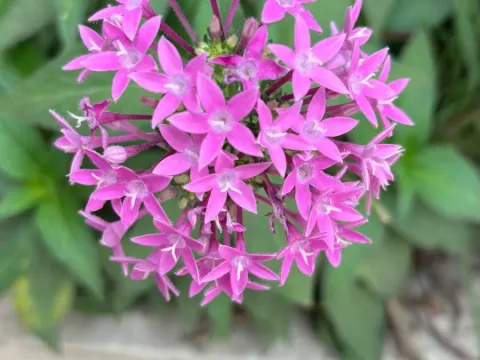
Pentas
Pentas
Sowing Pentas seeds typically begins in late winter or early spring, usually from February to March. Given that the seeds are extremely small, they should be surface-sown on a moist growing medium, pressed gently without burying them deep, as they require light to germinate effectively.
What the section contains


Pentas
To ensure successful germination, the temperature must be consistently maintained between 22-25 degrees Celsius. Covering the seed trays with a transparent plastic dome or glass helps maintain the necessary high humidity and promotes rapid seedling development.
Germination usually takes between two to four weeks. During this period, it is essential to monitor soil moisture levels closely, ensuring the medium remains consistently damp but never waterlogged to avoid damping-off disease in the young seedlings.
Once the seedlings have developed two sets of true leaves, they should be carefully pricked out into individual pots. Handling the root system with extreme care is vital at this stage, as the young Pentas plants have very delicate roots that can easily be damaged.
Transplanting to their final outdoor location or permanent containers should only occur after all risk of frost has passed. Pentas is a strictly warm-season plant and will suffer or cease growth if exposed to cold temperatures or chilly soil conditions.
Pentas (Pentas lanceolata), a member of the Rubiaceae family, is native to tropical regions of Africa and the Arabian Peninsula. This perennial shrub is highly valued for its clusters of star-shaped flowers that provide vibrant color throughout the growing season.
The plant thrives in full sun, requiring at least six to eight hours of direct light daily to bloom profusely. While it can tolerate partial shade in extremely hot climates, consistent sunlight is necessary to maintain a compact, bushy habit and rich flowering.
Soil requirements for Pentas include well-draining, fertile, and slightly acidic to neutral substrate. Proper drainage is crucial; if growing in containers, ensure there are adequate drainage holes to prevent standing water, which is the primary cause of root failure.
Regular watering is essential during the active growing season, especially in hot weather. It is best to allow the top inch of the soil to dry slightly between waterings, which helps ensure that the roots receive sufficient oxygen and prevents fungal rot.
For optimal results, apply a balanced, water-soluble fertilizer rich in potassium and phosphorus throughout the growing season. Maintain ambient temperatures between 20-30 degrees Celsius, and bring container plants indoors if temperatures drop below 15 degrees Celsius.
The most common pests affecting Pentas include aphids, spider mites, and whiteflies. These insects frequently attack the plant in environments with low humidity or poor air circulation, causing leaf yellowing, stunting, or general weakening of the plant structure.
Effective pest management involves regular inspections of the underside of the leaves, where these pests typically congregate. If an infestation is detected, applications of horticultural soap or systemic insecticides can be used to control populations.
Root rot is the most significant disease risk for Pentas, typically resulting from poor drainage or overwatering. Preventing this condition requires a light, porous soil mix and careful attention to the irrigation schedule to ensure the root zone stays healthy.
Powdery mildew may occur when humidity is high and airflow is stagnant. To minimize this risk, ensure adequate spacing between plants and avoid wetting the foliage during watering, as moisture on the leaves can create a breeding ground for fungal spores.
Overall plant health is best maintained through consistent horticultural practices, including timely pruning of dead flowers and damaged stems. A robust, well-tended plant is significantly more resilient against common pests and environmental stressors.