
Indian pavetta
Pavetta indica
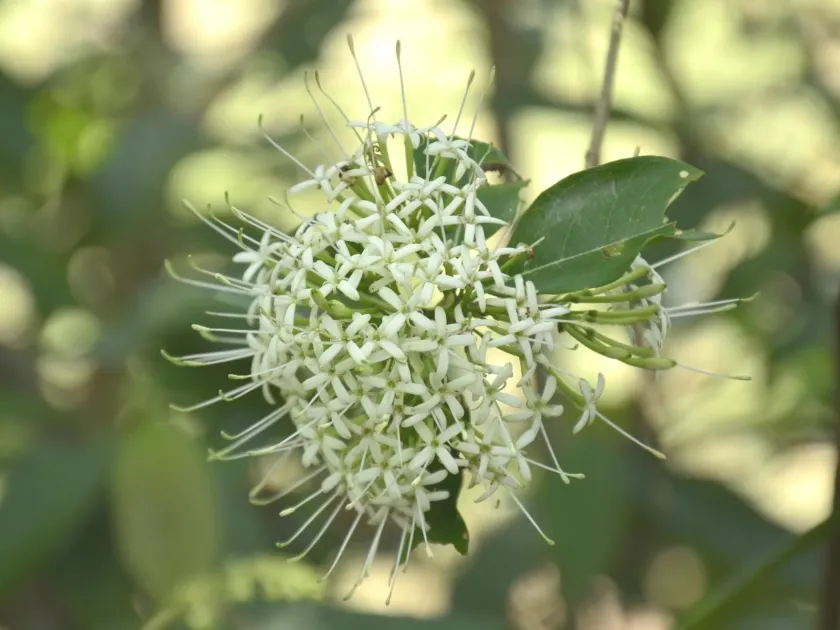
Description
Sowing dates
Propagation of the Indian pavetta is typically achieved through seeds sown during the early spring season. To ensure high germination rates, seeds should be soaked in warm water for several hours prior to planting in the substrate.
The ideal planting medium is a well-draining, peat-based mix enriched with perlite or vermiculite to facilitate root aeration. Seeds should be planted at a depth of approximately 1 centimeter.
Maintaining a stable temperature between 22 and 26 degrees Celsius is critical for the germination process. Using a propagator or covering containers with transparent plastic helps maintain the necessary humidity levels.
Once the seedlings develop at least two sets of true leaves, they should be carefully transplanted into individual pots. This transition period is essential for minimizing root disturbance and promoting strong growth.
Young plants should be kept in bright, indirect light as they adapt to their new environment. Consistent care during the first few weeks ensures that the root system establishes firmly in the new soil.
Growing requirements
Pavetta indica is a member of the Rubiaceae family, native to tropical forests across India and Southeast Asia. As a woody evergreen shrub, it thrives in environments that mimic its natural tropical habitat.
The plant requires plenty of bright, diffused light to achieve optimal flowering and lush foliage. While it can withstand some morning sun, exposure to intense afternoon heat should be avoided to prevent leaf scorch.
A fertile, slightly acidic, and well-draining potting mix is necessary for success. The plant is sensitive to waterlogged conditions, so a thick drainage layer at the bottom of the container is highly recommended.
Temperature management is vital: the plant flourishes in heat but requires protection from drafts and cold snaps. During the winter, keeping the plant in a room above 16 degrees Celsius is necessary.
Regular maintenance includes pruning to shape the canopy and encourage dense branching. By thinning out crowded interior stems, you allow for better airflow, which reduces the risk of moisture-related diseases.
Main diseases and pests
The Indian pavetta is susceptible to common indoor and greenhouse pests, including spider mites, scale insects, and mealybugs. These pests are particularly active when ambient humidity is too low.
Root rot caused by overwatering or poor drainage is a frequent issue. If the roots remain in water-saturated soil for prolonged periods, the plant's ability to absorb nutrients is severely compromised.
Fungal leaf spots can develop if the foliage remains wet for too long or if there is insufficient air circulation around the shrub. Proper spacing and airflow are the best preventative measures.
For pest management, the application of horticultural oils or systemic insecticides can be effective. It is important to treat the plant at the first sign of an infestation to avoid significant damage.
Always inspect the undersides of the leaves periodically, as this is where pests prefer to hide. Early intervention ensures the longevity and beauty of your Pavetta indica specimen.